Low-Stimulus Decompression Zone for Pets: The Ultimate Setup Guide
Create a low-stimulus decompression zone for your new pet to reduce anxiety. Learn how to manage cortisol levels and sensory input in your South African home.
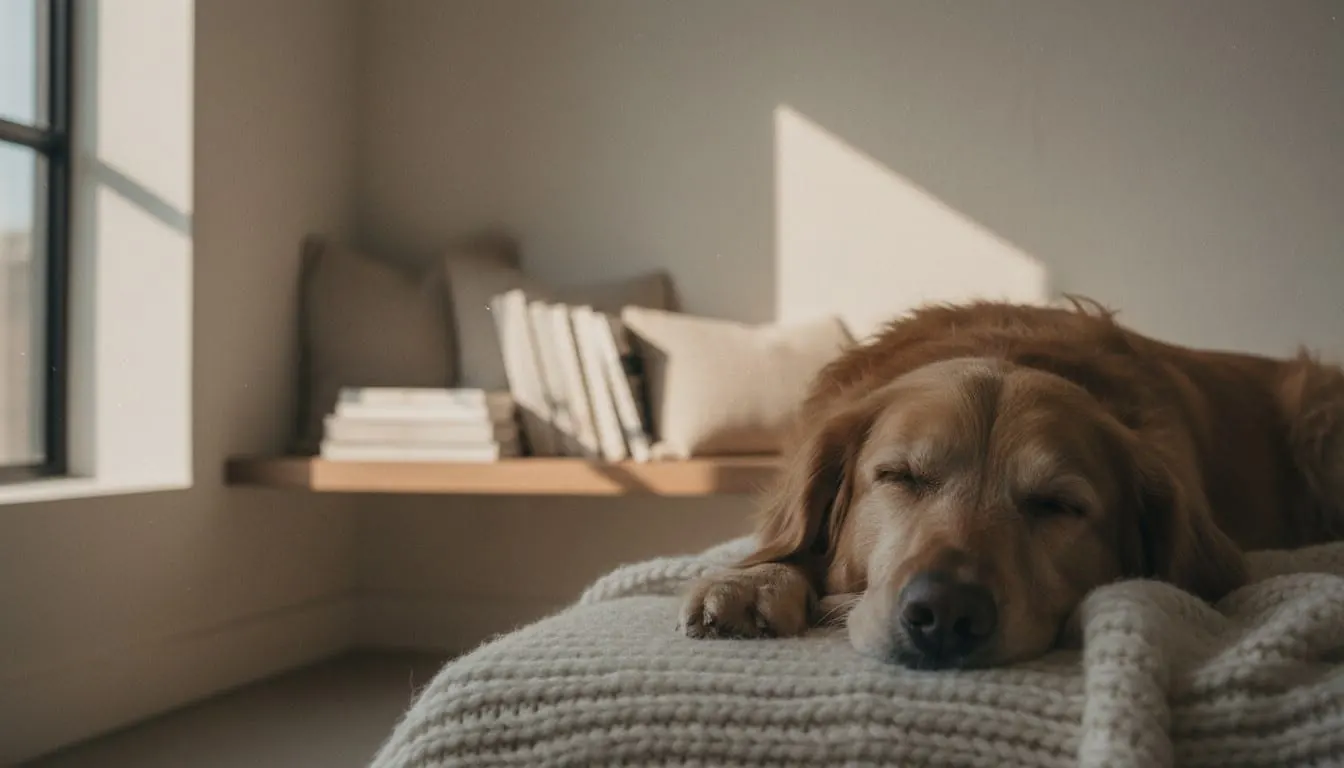
Bringing a new pet home is a joyous occasion, yet for the animal, it is often a period of high physiological stress. Whether you have adopted a rescue dog from the SPCA or a kitten from a local shelter, the transition involves a massive surge in cortisol and adrenaline. Most owners focus on buying the right kibble or a fancy collar, but the most critical tool for long-term behavioural health is setting up a low-stimulus decompression zone for pets. This dedicated space allows your new companion to process their new environment without the constant 'noise' of a busy household. By managing sensory input—such as sound, light, and scent—within this zone, you provide the biological safety net required for a successful transition during the first critical week.
The Biological Need for a Decompression Space
A new pet needs a decompression space because their nervous system arrives in a state of 'hyper-vigilance', with the brain flooded by cortisol, the primary stress hormone. A dedicated low-stimulus zone acts as a buffer, preventing the animal from reaching a state of 'emotional flooding' where they can no longer learn or bond. In the animal welfare world, we often refer to the '3-3-3 rule': three days to decompress, three weeks to learn the routine, and three months to feel at home. Those first three days are when a controlled environment matters most.
In South Africa, our homes often feature open-plan layouts and tiled floors, which can amplify sounds and movement. To a new pet, the sound of a gate motor, the beep of an inverter during loadshedding, or even the reflection of light on a polished floor can be perceived as a threat. By restricting their world to a smaller, controlled area initially, you allow their baseline stress levels to drop. This isn't about isolation; it is about providing a predictable environment where every sound and scent is manageable, allowing the pet to move from a state of survival to a state of security.
A decompression zone prevents 'emotional flooding' by allowing cortisol levels to subside in a predictable environment.
Acoustic Dampening and Light Control Strategies
The fastest way to soften a room acoustically is to lay down heavy rugs and hang thick blankets; no professional soundproofing is needed. Sound is one of the most significant triggers for anxiety in new pets, and South African homes frequently use hard surfaces like porcelain tiles or screed floors that create echoes. Heavy-duty rugs—available at retailers like Mr Price Home or Builders Warehouse—significantly reduce the 'clack' of footsteps and the bounce of external noises like traffic or barking neighbours. You can also add acoustic foam panels if the room is particularly resonant.
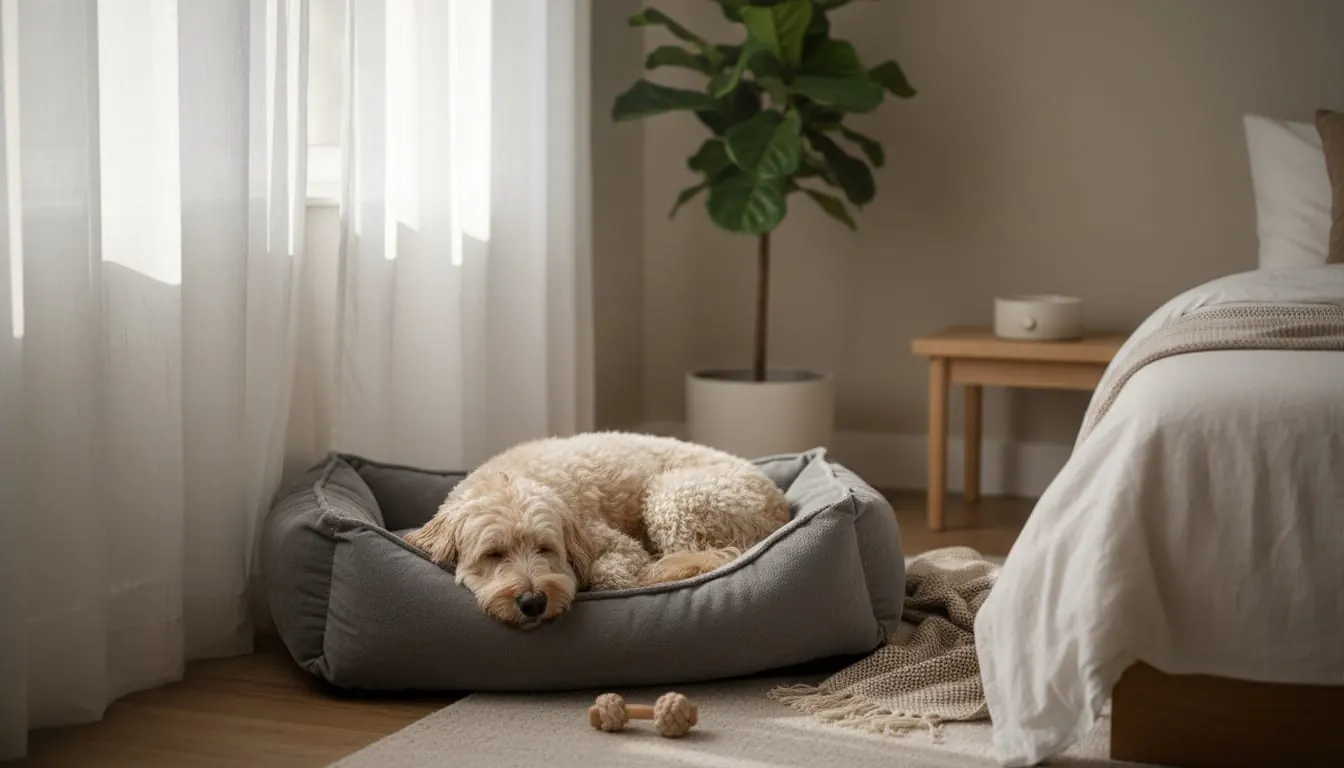
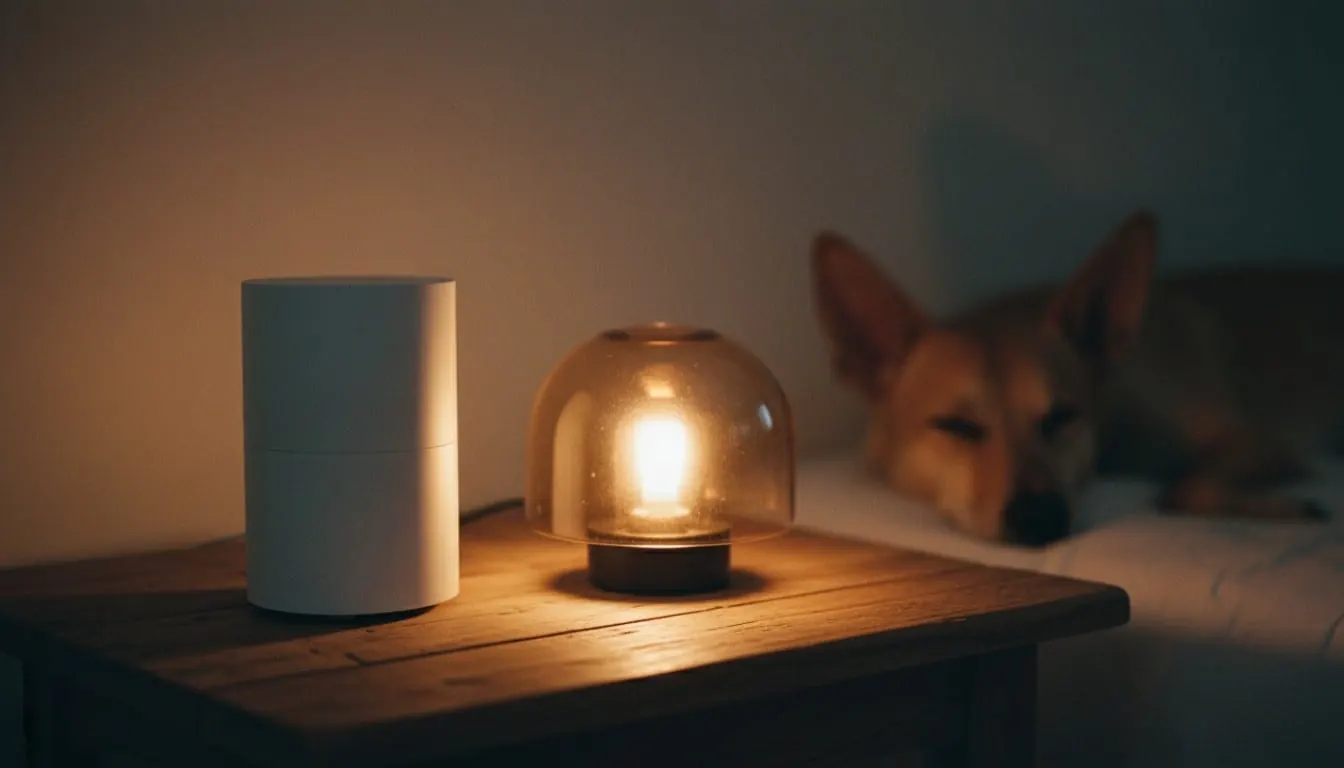
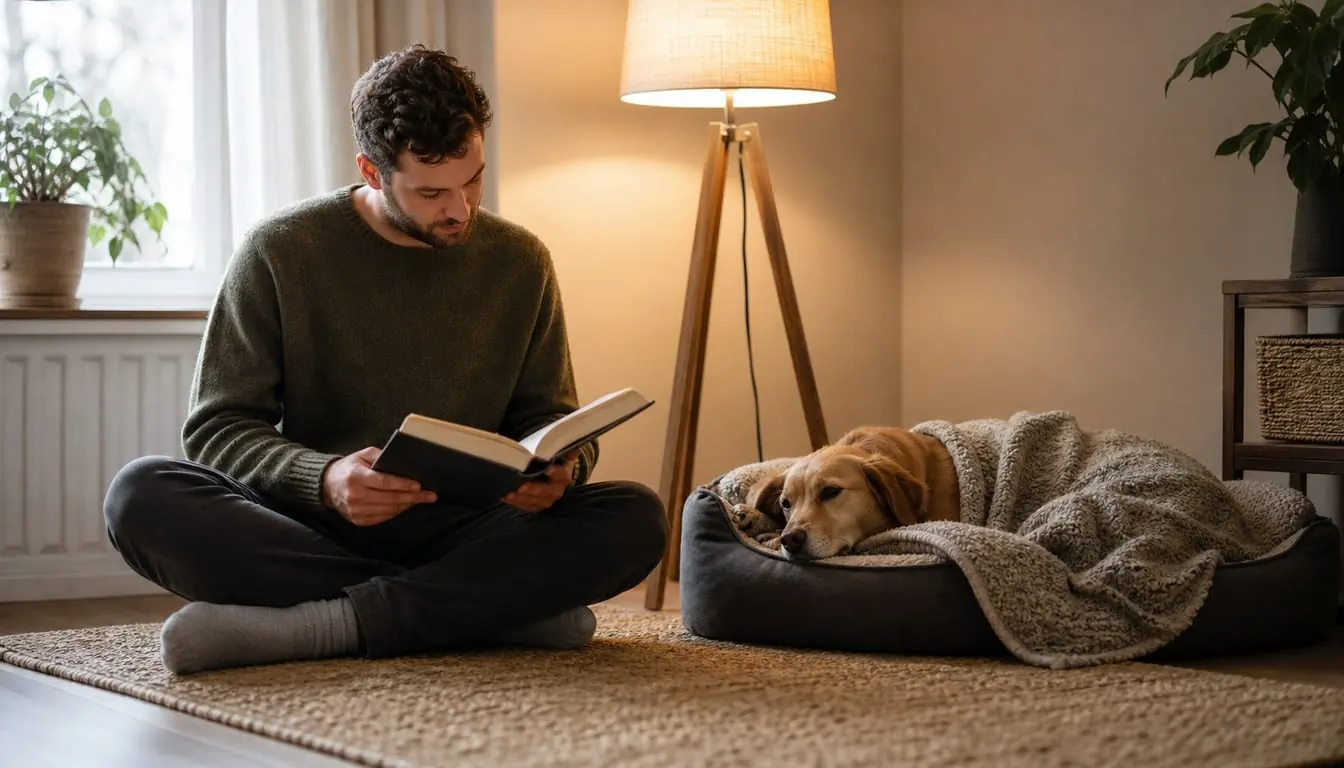
Light control is equally vital. Many animals, especially those coming from stressful shelter environments, are sensitive to movement seen through windows. Using block-out curtains or even temporary frosted window film can prevent 'fence-running' or reactive barking at pedestrians. During the first few days, keep the lighting dim and consistent. Avoid using harsh overhead fluorescent lights; instead, use a small lamp with a warm-spectrum bulb to create a den-like atmosphere. This mimics the natural environments where many animals feel safest—enclosed, dark, and quiet.
Use thick rugs and block-out curtains to neutralise the harsh echoes and visual triggers common in South African suburban homes.
Scent Neutrality and Pheromone Integration
Keep the decompression zone as close to scent-neutral as possible: no air fresheners, no scented candles, and no floor cleaners with heavy perfumes like strong pine or lavender. A pet’s sense of smell is their primary way of navigating the world, and a new home is already a cacophony of foreign odours—cleaning chemicals, other animals, and the unique scent profile of the humans living there. Artificial fragrances layered on top can be overwhelming and mask the pet’s own calming scents.
To proactively assist with anxiety, consider using synthetic pheromones. Products like Adaptil (for dogs) or Feliway (for cats), widely available at local Vetshops and Absolute Pets, release 'appeasing pheromones' that mimic those produced by a mother to calm her litter. These should be plugged into an outlet in the decompression zone at least 24 hours before the pet arrives. Additionally, place an old T-shirt you have worn in the area; this allows the pet to associate your scent with a safe, low-stress environment without the pressure of direct physical interaction, which can often be too much too soon.
Minimise artificial fragrances and utilise synthetic pheromones like Adaptil or Feliway to create a chemically 'safe' atmosphere.
Furnishing for Safety and Tactile Comfort
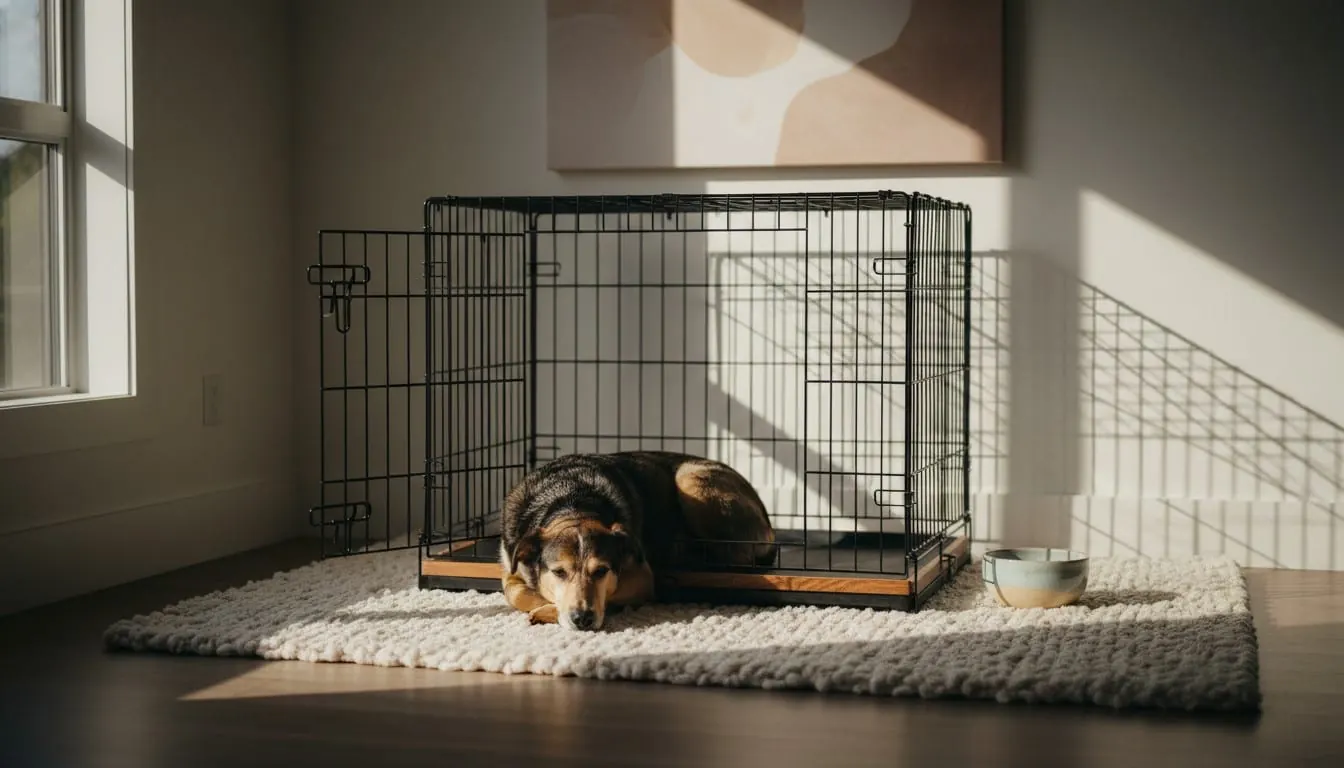
Furnish the zone with two things above all: a covered crate 'den' for dogs, and vertical space such as a high shelf or stable cat tree for cats. Every item should earn its place by making the animal feel safer. Observing the room from a height is a natural coping mechanism for felines, while an enclosed, blanket-covered crate (with the door left open or removed) gives a dog a secure retreat. Ensure there are at least two 'hiding spots' available so the pet never feels cornered.
In terms of tactile comfort, consider the South African climate. While we want soft bedding, we must ensure the animal doesn't overheat. Use breathable cotton covers over memory foam mats. Avoid plastic toys that make high-pitched squeaking sounds during this initial phase, as these can spike adrenaline. Instead, provide 'licking' or 'sniffing' activities, such as a Lickimat with a bit of peanut butter or a snufflematt hidden with a few kibbles. Licking and sniffing are natural self-soothing behaviours that lower a pet's heart rate and help them transition into a relaxed state within their new zone.
Provide den-like hiding spots and low-arousal enrichment like Lickimats to encourage self-soothing behaviours.
Troubleshooting: Signs of Sensory Overload
The clearest signs of sensory overload are pacing, 'scanning' behaviour (constantly looking around), excessive panting when it isn't hot, and a refusal to eat even high-value treats in dogs; in cats, watch for 'pancake' posturing (crouching low to the ground), dilated pupils, or remaining in a hiding spot for more than 48 hours without emerging to eat or use the litter box. Even with the best setup, some pets may struggle to settle, so monitor daily rather than assuming the room is working.
If you notice these signs, reassess the zone. Is there a high-pitched hum from a nearby appliance? Is there too much foot traffic past the door? You may need to move the zone to a more secluded part of the house, such as a spare bedroom or a quiet study. Remember, if the animal remains in a state of high stress for more than 72 hours despite a low-stimulus setup, it is time to consult a professional animal behaviourist. In South Africa, you can contact the South African Board for Companion Animal Professionals (SABCAP) to find a qualified consultant who uses force-free methods.
Monitor for pacing or hiding beyond 48 hours; if stress persists, consult a SABCAP-registered behaviourist.
Transitioning: Moving Beyond the Decompression Zone
Transitioning your pet out of their decompression zone should be a 'choice-based' process. Once the pet is consistently relaxed—sleeping deeply, playing with toys, and greeting you with loose body language—you can begin to open the door to the rest of the house. Do this during quiet times of the day. Allow the pet to explore at their own pace, always keeping the 'safe zone' accessible so they can retreat if they feel overwhelmed.
This process is not linear. You might find that your pet explores the lounge for ten minutes and then spends the next three hours in their safe room. This is perfectly normal. Avoid 'luring' them out with treats, as this can create a conflict between their hunger and their fear. Instead, let their natural curiosity lead the way. Over the next few weeks, you can gradually increase the 'stimulus' in the house—turning on the TV at low volume or having one guest visit—while always monitoring for the stress signs mentioned earlier. This gradual approach builds a foundation of trust that lasts a lifetime.
Allow the pet to lead the transition out of the zone at their own pace, ensuring they always have access to their original safe space.
Conclusion
Designing a low-stimulus decompression zone is the single most impactful thing you can do to support a new pet's mental health. By controlling the environment, you are effectively speaking their language, telling them that your home is a place of predictability and safety. While it requires patience to keep your new friend tucked away for a few days, the reward is a pet that is more confident, less reactive, and more ready to bond with their new family. Remember to monitor their body language closely and never rush the process. If you encounter significant behavioural hurdles, reach out to a professional who specialises in positive-reinforcement training. With the right start, you are setting the stage for years of happy, low-stress companionship.
Frequently asked questions
How long should my pet stay in the decompression zone?
Most pets require a minimum of 3 to 7 days in a low-stimulus zone. The exact period depends entirely on the individual animal's history. Some confident pets may need only 48 hours, while deeply traumatised rescues might require two weeks before they feel brave enough to explore further.
Can I keep my other pets in the same room?
Ideally, no. The decompression zone should be for the new pet only, because introducing resident pets too early adds a massive layer of social stress. It is better to establish scent-swapping first by moving bedding between areas before any face-to-face meetings occur.
What if I don't have a spare room for a decompression zone?
If a separate room isn't available, use a quiet corner of a bedroom and set up tall room dividers or X-pens covered with sheets to create a visual barrier. The goal is to limit the visual field and movement the pet has to process. Even a screened-off corner is far better than free run of an open-plan house.
Should I leave the lights off all the time?
No, it is important to maintain a natural circadian rhythm. Use dim, warm light during the day and keep the room dark at night. Total darkness during the day can be disorienting, while bright overhead lights can be overstimulating.
Does a decompression zone work during loadshedding?
Yes, and it often helps. Keep a battery-powered lamp with a warm bulb in the room so the light stays consistent when the power cuts. The beeps of inverters and gate motors restarting are exactly the kind of unpredictable noise the zone's rugs and closed door help to muffle.
References & Sources
This article was researched using the following sources:
Stop guessing with bag charts. Learn how to calculate RER for pets using veterinary formulas to prevent obesity and ensure optimal health for your dog or cat.
Explore cue selection and discrimination to communicate effectively with your pet. Learn how visual and verbal signals build a clear linguistic architecture for training.
Discover how decompression walks for dogs use olfactory stimulation to reduce stress and improve canine mental health far more effectively than a standard walk.