Decompression Walks for Dogs: Why Sniffing Beats Distance
Discover the science of decompression walks for dogs. Learn why olfactory stimulation is more vital for your pet's mental health than traditional high-speed walking.
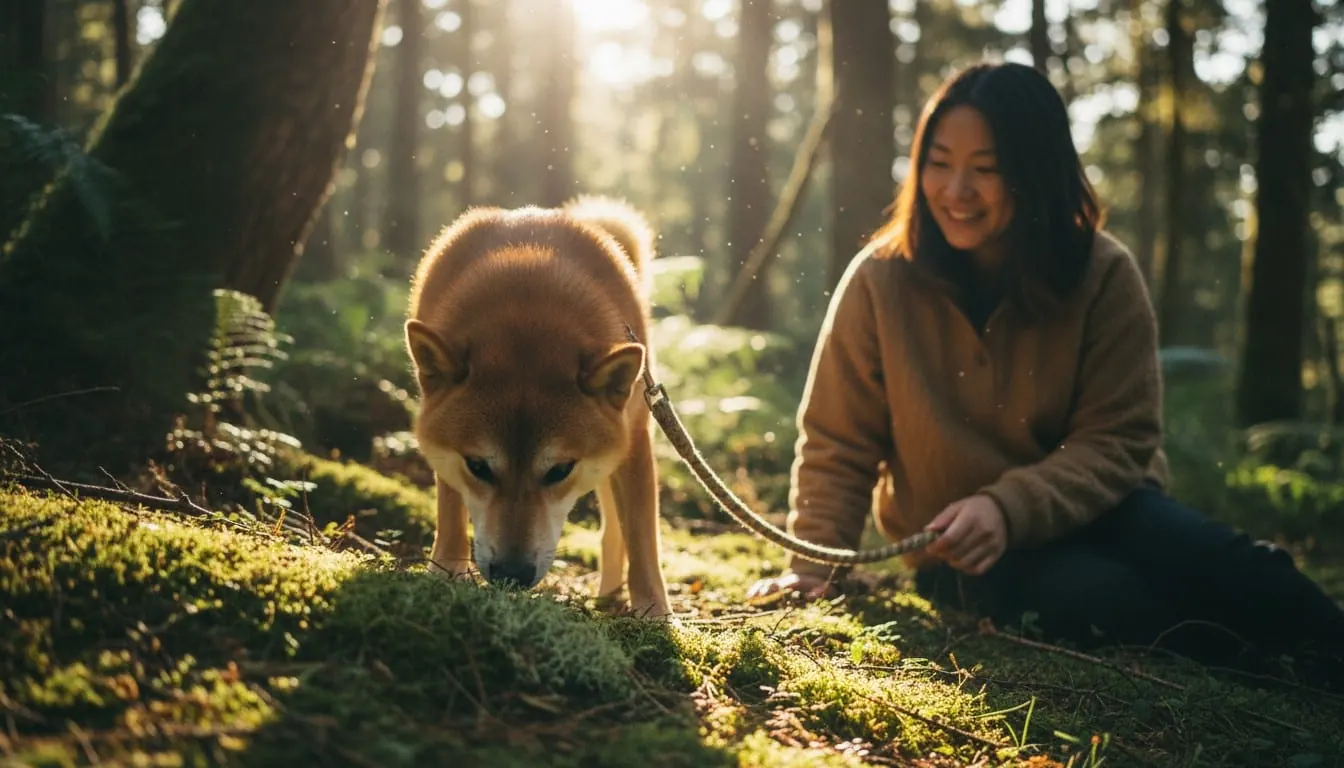
For many Indian pet parents living in bustling cities like Mumbai, Delhi, or Bengaluru, the daily dog walk is often a rushed affair. We focus on 'heeling', keeping a tight leash, and covering a specific distance to ensure our dogs get their 'exercise'. However, current canine science suggests we might be missing the most critical component of their well-being. Decompression walks for dogs prioritize olfactory stimulation over physical distance, allowing your pet to engage their brain in a way that physical running simply cannot match. By letting your dog lead with their nose, you are providing a biological 'reset' that lowers stress levels and improves overall behaviour. This article explores why the 'sniff-and-stroll' approach is a physiological necessity for modern urban dogs.
The Biological Power of the Canine Nose
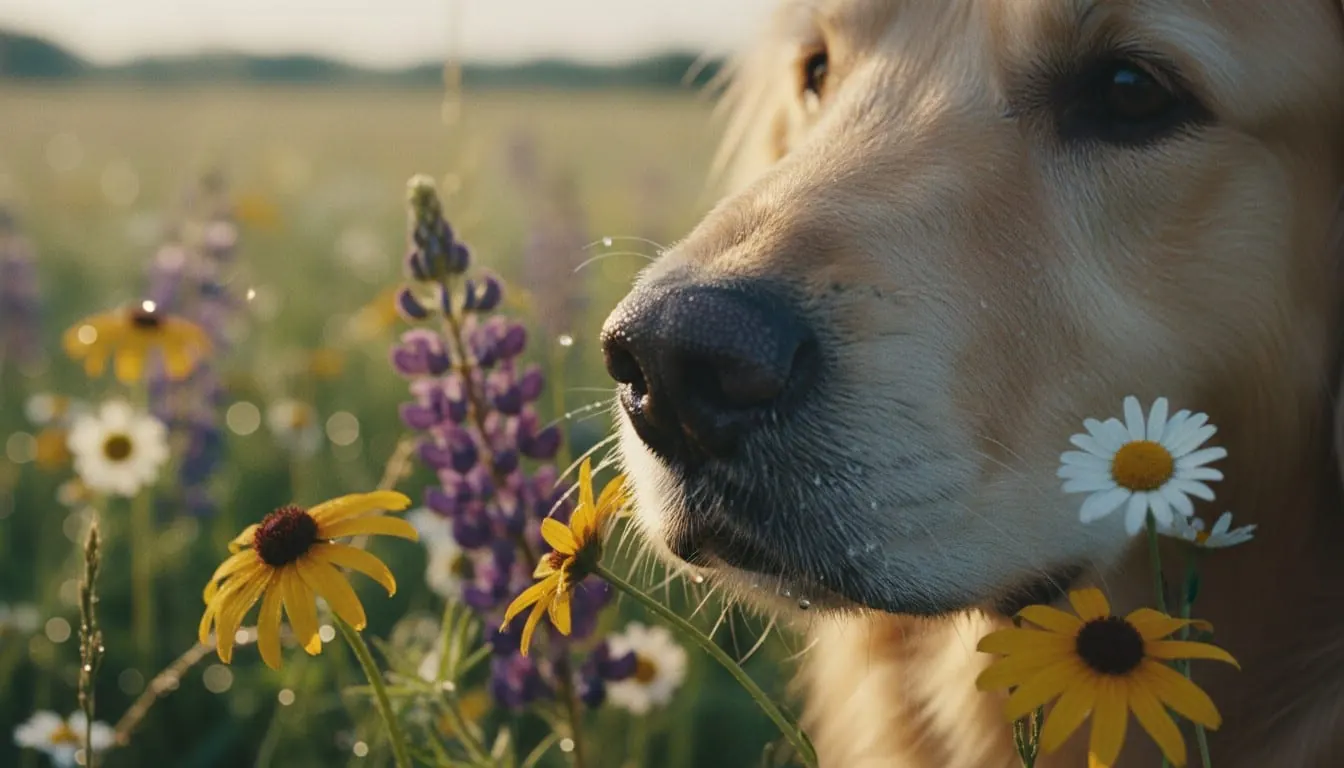
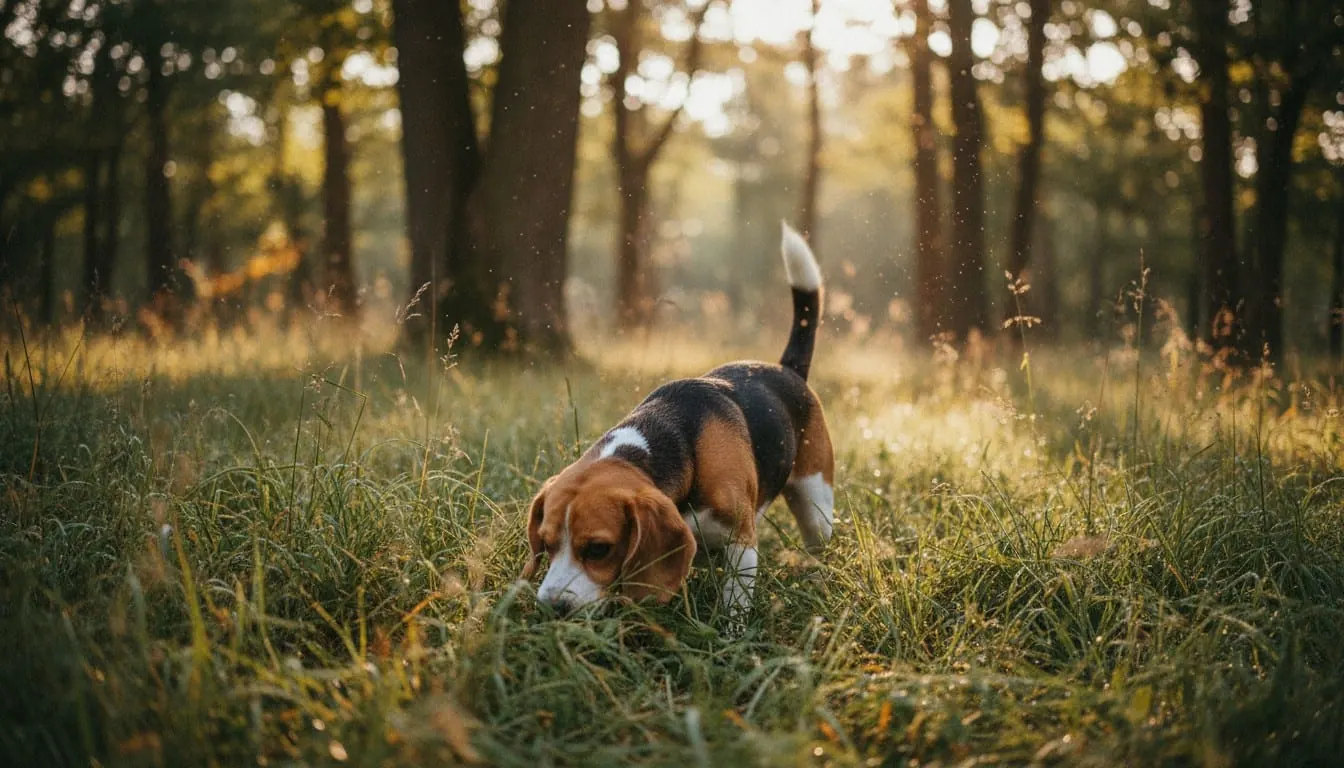
A dog's world is built on scent, not sight. While humans have roughly six million olfactory receptors, dogs possess up to 300 million. The part of a dog's brain dedicated to analysing smells is, proportionally, 40 times greater than ours. When a dog engages in a decompression walk, they aren't just 'smelling the grass'; they are reading a complex narrative of the neighbourhood.
This process involves the vomeronasal organ, or Jacobson's organ, located in the roof of the mouth. It allows dogs to detect pheromones and chemical signals that provide information about other animals' health, gender, and emotional state. In a dense Indian housing society, these scent trails are incredibly rich and provide a level of mental engagement that a brisk 5-kilometre run cannot replicate. Processing this data requires significant cognitive effort, which naturally tires the dog out in a healthy, satisfied way rather than just physically exhausting them.
Dogs process the world through 300 million scent receptors, making sniffing a high-intensity cognitive workout.
Mental Health: Lowering Cortisol Through Sniffing
Decompression walks lower cortisol because allowing a dog to sniff freely slows their heart rate and shifts them into a calm, focused state rather than one of high alert. Traditional obedience walks, by contrast, often keep dogs in a state of high arousal; constant 'heeling' and navigating crowded Indian streets with heavy traffic and stray dogs can keep a dog's cortisol (the stress hormone) elevated throughout the outing.
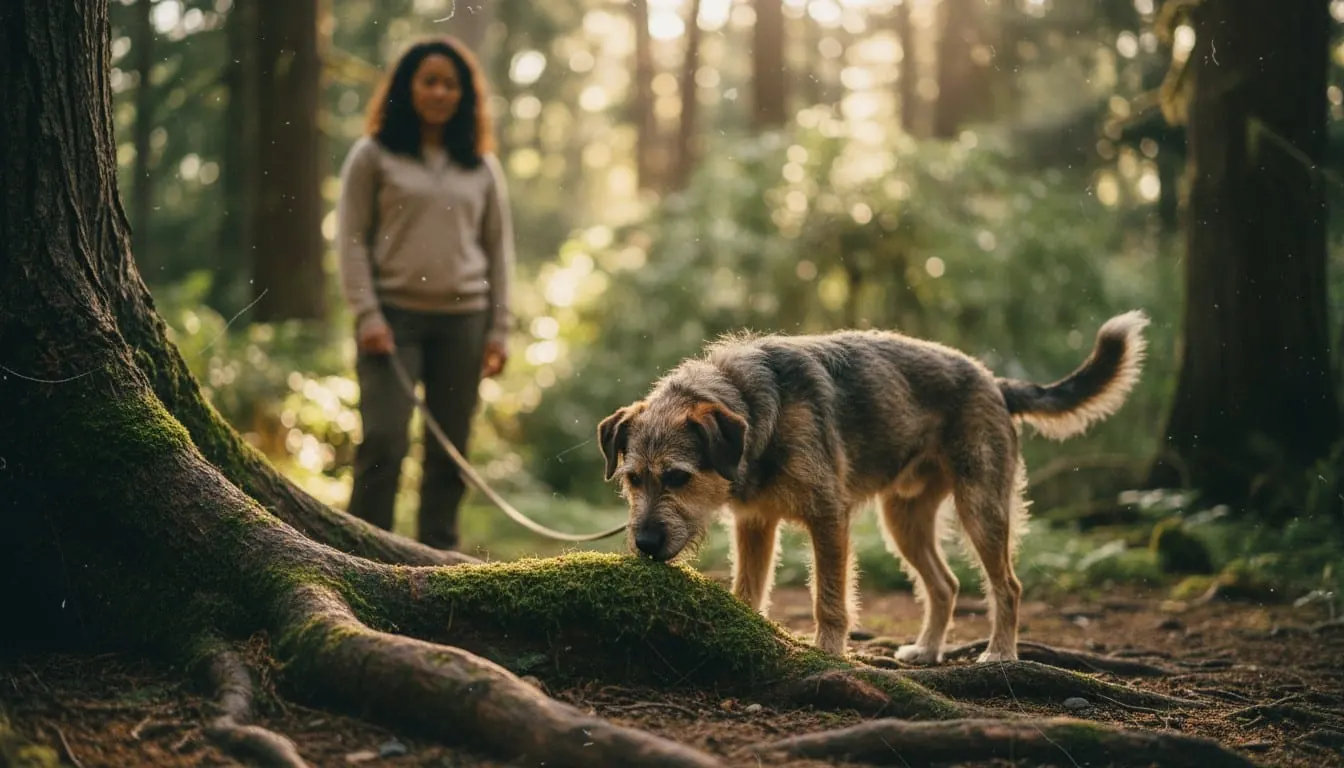
By allowing your dog to move at their own pace on a long leash (ideally 3 to 5 metres), you give them a sense of agency. In psychological terms, this autonomy is a powerful tool for reducing anxiety. In urban India, where dogs are often confined to apartments for most of the day, this freedom to explore is vital. It acts as a mental 'reset button', helping to prevent common behavioural issues like destructive chewing or excessive barking that often stem from pent-up mental energy and frustration.
Factor
Decompression walk
Traditional obedience walk
Leash length
3 - 5 metre long line on a harness
1 - 1.5 metre fixed leash on a collar
Who sets the pace
The dog chooses the route and stops
The handler controls pace and direction
Primary goal
Mental engagement and cortisol reduction
Distance covered and physical exercise
Best paired with
Quiet green patches, early morning or evening
Structured training sessions and heeling practice
Decompression walk versus traditional obedience walk
Sniff-led walks lower cortisol levels and provide a sense of agency that reduces urban-induced anxiety.
Navigating the Indian Urban Landscape
Implementing decompression walks in India requires a bit of strategy due to the unique challenges of our urban environment. Heat is a major factor; during the summer months or the humid monsoon season, a long, fast-paced walk can be dangerous. A decompression walk, which is slow and shaded, is a much safer alternative. Early mornings (before 7:00 AM) or late nights are the best times to find quiet spots in your locality.
Look for 'sniff-rich' environments like the peripheries of public parks, quiet cul-de-sacs, or even a leafy corner of your apartment complex. In cities like Pune or Hyderabad, where many societies have dedicated green patches, use these for 'stationary' decompression sessions. Instead of covering three kilometres, spend 20 minutes in one 50-metre patch. Let your dog investigate every stone and blade of grass. You will notice that even after a shorter physical distance, your dog returns home more relaxed than they would after a forced-march through traffic.
Utilise quiet hours and small green patches for slow walks to avoid the heat and traffic of Indian cities.
Equipment and Setup for Success
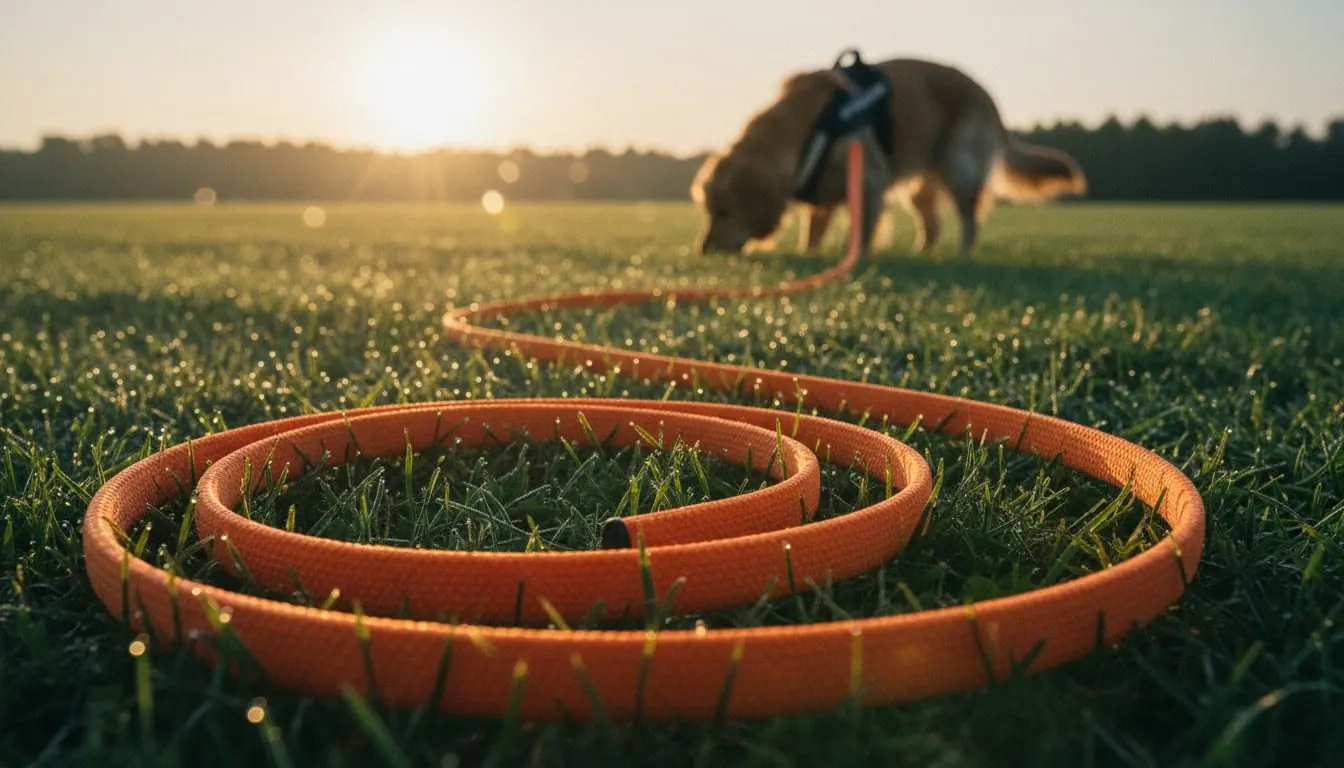
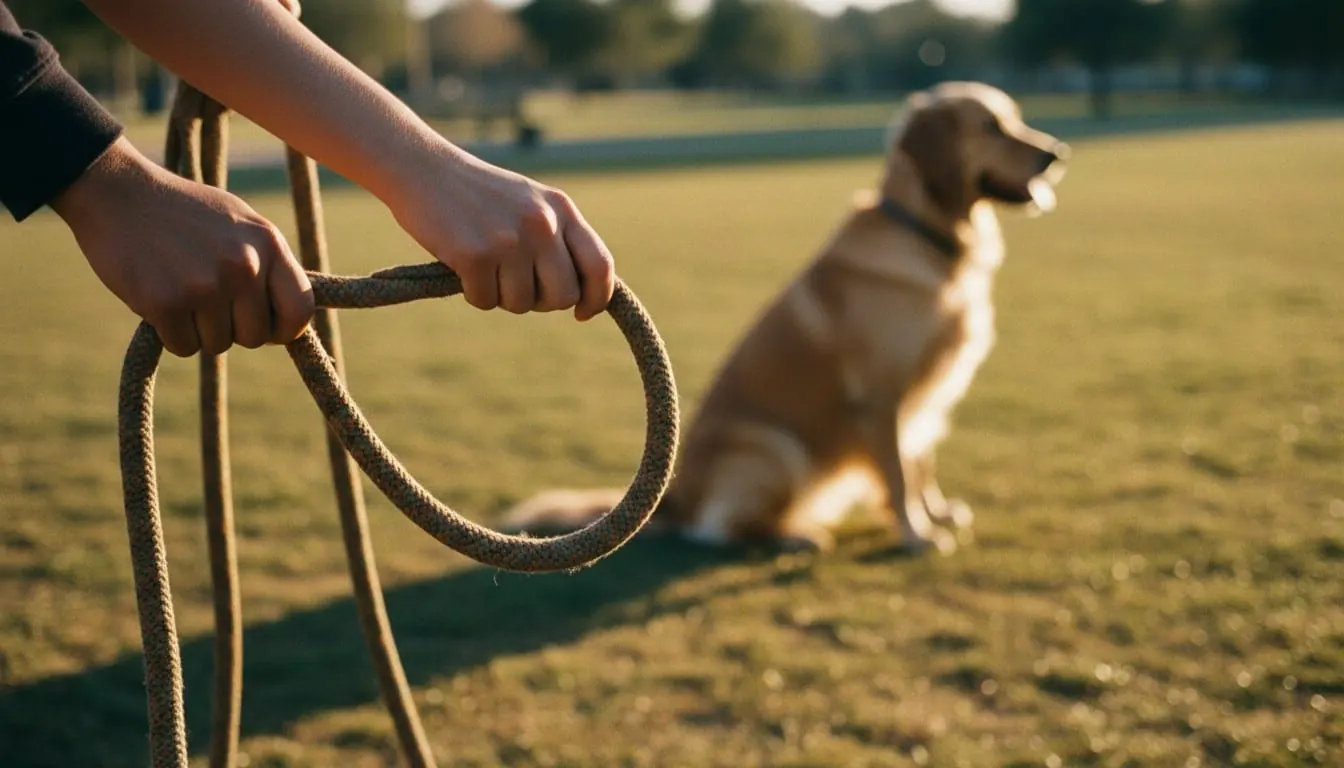
The right gear for a true decompression walk is a 3 to 5 metre long line attached to a well-fitted, Y-shaped harness rather than a collar, since a standard 1.5-metre city leash is often too short and creates tension the moment the dog stops to sniff. The long line gives your dog the 'freedom' to move while you maintain safety, and the harness avoids any pressure on the neck if they reach the end of the line.
In India, brands like Heads Up For Tails offer durable long leashes and ergonomic harnesses suited for local breeds and weather conditions. Avoid retractable leashes (flexi-leashes), as they maintain constant tension and don't provide the same slack needed for a relaxed 'sniff-fest'. Your role on this walk is that of a silent guardian—follow your dog's lead, keep the leash loose, and only intervene if there is a safety risk like an approaching vehicle or a stray dog that seems territorial.
Use a 3-5 metre long leash attached to a harness to provide the slack necessary for a tension-free sniffing experience.
Troubleshooting: When Things Go Wrong
When things go wrong on a decompression walk, the fix is to calmly redirect your dog to a quieter area the moment they shift from relaxed sniffing into a reactive or hyper-fixated state. In India, you will frequently encounter 'distractions' like stray cattle, community dogs, or loud construction, and once your dog moves from a parasympathetic (relaxed) state to a sympathetic (fight-or-flight) state, the decompression effect is effectively over. In these moments, use a high-value treat to gently redirect their attention and move away.
Another common issue is 'vacuuming'—where the dog tries to eat discarded food or rubbish. This is a reality of Indian streets. If your dog is a scavenger, you might need to use a basket muzzle or work on a very strong 'leave it' command. A muzzle does not prevent a dog from sniffing; it actually allows them to sniff safely without the risk of ingesting toxins. If your dog seems consistently stressed even in quiet areas, consider consulting a certified canine behaviourist to rule out underlying anxiety disorders.
If your dog becomes reactive or stressed, calmly relocate to a quieter area; use a muzzle if scavenging is a concern.
Conclusion
Prioritizing the biology of your dog's nose over the muscles in their legs is a paradigm shift for many pet owners. In the high-stimulation environments of urban India, decompression walks for dogs are not a luxury; they are a vital tool for mental regulation. By slowing down, using the right equipment, and respecting your dog’s need to explore their environment through scent, you will foster a calmer, more confident companion. Remember to always prioritize safety regarding traffic and strays, but otherwise, let the nose lead the way. If your dog's behaviour doesn't improve with increased enrichment, seek advice from a professional positive-reinforcement trainer to tailor a plan specifically for your pet's needs.
Frequently asked questions
How often should I take my dog on a decompression walk?
Ideally, aim for at least 2 to 3 dedicated decompression walks per week. Even replacing just 15 minutes of your daily walk with free sniffing time can significantly improve your dog's mental state.
Won't my dog get 'spoiled' and stop heeling if I let them lead?
No, dogs are capable of understanding different 'modes' based on the gear used. If you use a harness for decompression walks and a collar or short leash for obedience walks, they quickly learn the difference in expectations.
Can I do a decompression walk on a small apartment balcony?
While not a full replacement, you can create a 'sniffing station' on a balcony or indoors using a snuffle mat or by hiding treats around the room. This provides similar cognitive engagement when outdoor conditions are too harsh.
What should I do if my dog just stands in one spot for 10 minutes?
Let them stay; that spot likely has a very interesting scent 'story' they are reading. The goal of a decompression walk is mental satisfaction, not distance, so a stationary sniffing dog is still working hard.
Is a decompression walk safe during Delhi's peak summer heat?
Only if timed carefully. Stick to early mornings before 7 AM or after sunset, choose shaded green patches over open asphalt, and check the pavement temperature with your palm before setting out, since hot surfaces can burn paw pads.
References & Sources
This article was researched using the following sources:
Master the science of cue selection and discrimination. Learn why pets prioritise visual signals and how to choose distinct verbal commands for faster learning.
Understand developmental fear periods in puppies and kittens. Learn to manage fear imprinting with expert routines for confident, well-adjusted pets in India.