Low-Stimulus Decompression Zone for New Pets: A Guide for Irish Homes
Creating a low-stimulus decompression zone for new pets is vital for managing cortisol and anxiety. Learn how to design a sensory-neutral space for your pet's first week.
Bringing a new pet home to Ireland is an exciting milestone, yet for the animal, it can be an overwhelming sensory bombardment. Most owners focus on purchasing a sturdy crate from Maxi Zoo or a high-quality bed, but the biological reality of pet adoption requires more than just gear. To successfully manage the transition, you must design a dedicated Low-Stimulus Decompression Zone for New Pets. This specific area acts as a neurological 'buffer,' allowing your dog or cat to process their new environment without being flooded by sensory input. During the first week, a pet’s cortisol levels—the primary stress hormone—are naturally elevated. By providing a controlled space that addresses acoustic, visual, and olfactory triggers, you facilitate a faster transition from a state of 'survival' to one of 'security.' This guide explores how to configure this essential zone in a typical Irish home layout.
The best location for a decompression zone is a low-traffic room at the rear of the property—a spare bedroom or a quiet utility room—as far as possible from the front door and the street. In many Irish semi-detached homes, the hallway or the kitchen is the hub of the house, and while convenient for us, these are the worst locations for a Low-Stimulus Decompression Zone for New Pets. Every time the postman drops a letter through the An Post slot or the ESB meter reader passes the window, your pet's adrenaline spikes. The goal is to maximise the distance between the pet and the 'unknown' sounds of the street.
Ensure the room has stable temperature control, as Irish winters can be damp and chilly. A consistent temperature of 18-20°C is ideal. Avoid areas near the 'immersion' heater or noisy boilers that clank, as these unpredictable sounds can hinder the decompression process. The space doesn't need to be large; in fact, a smaller, cosy room often feels more secure for a nervous rescue dog or a shy kitten. If you live in an apartment in a busy area like Dundrum or Cork City centre, choosing the room with the thickest walls is a priority to minimise the vibration from passing traffic or neighbours.
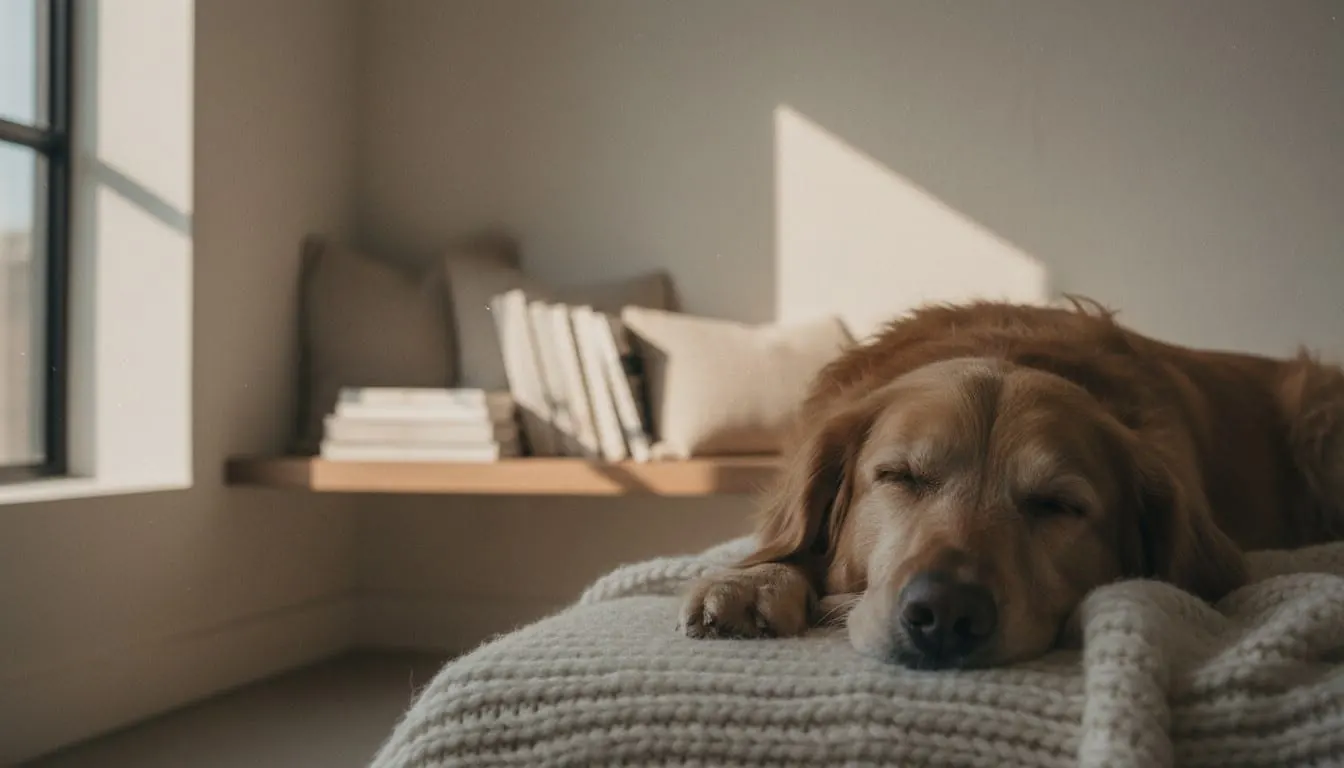
Choose a rear-facing room away from front-door traffic and noisy household appliances to provide a stable, low-traffic environment.
Acoustic Dampening: Managing the Sound of the Irish Climate
To manage sound in the decompression zone, layer two things: physical dampening, such as heavy thermal-lined curtains, and a steady masking sound like white noise, so sudden noises never arrive against silence. The sound of heavy rain on a slate roof or wind whistling through a chimney is a staple of Irish life, but for a new pet, these are unfamiliar and potentially frightening noises. Start by installing heavy, thermal-lined curtains—available at retailers like Dunnes Stores or IKEA—to block out external noise. These not only help with temperature but act as a sound barrier against street noise and weather.
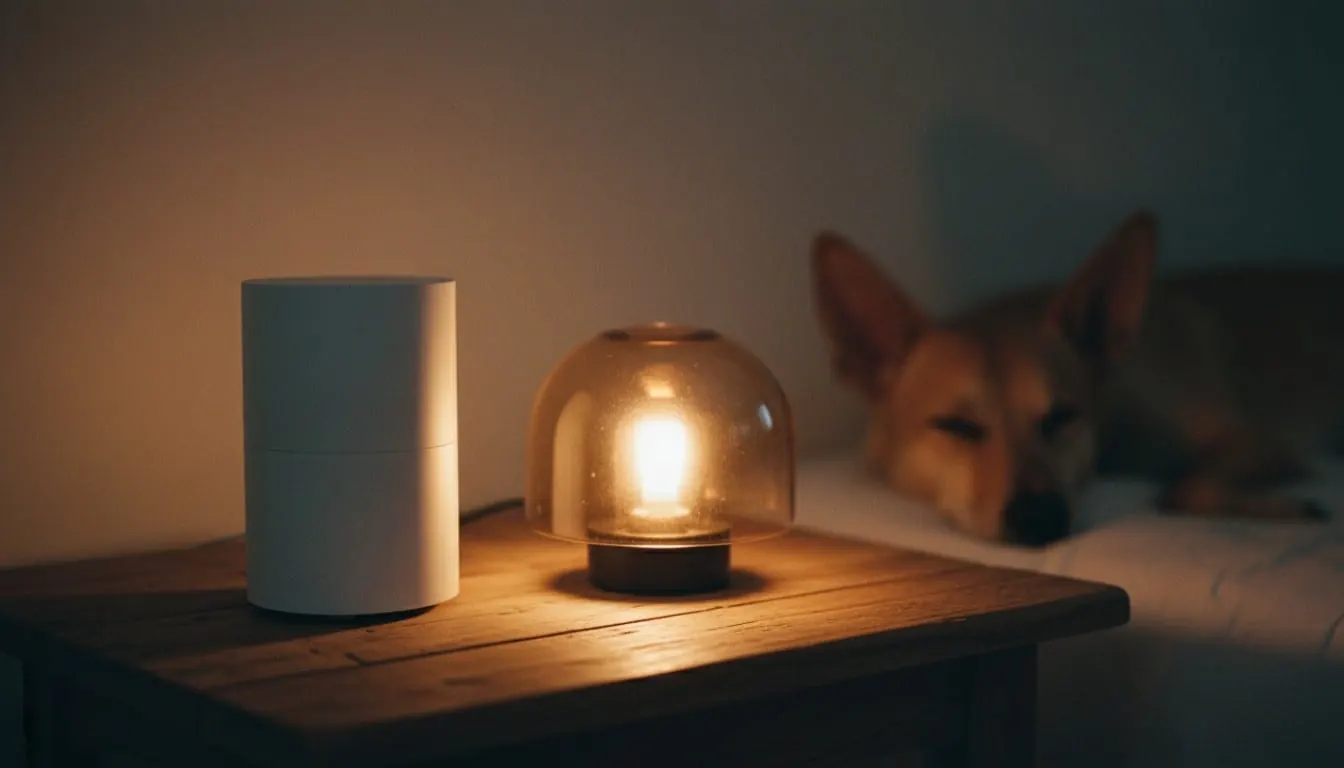
Inside the zone, use 'white noise' or specific bio-acoustic music designed for animals. Studies show that classical music or simple ambient sounds can lower heart rates in shelter dogs. Avoid leaving the radio on a talk station where the sudden high-pitched laughter of a presenter or loud advertisements could startle the animal. Instead, use a dedicated white noise machine or a smart speaker playing 'Calm My Dog' playlists at a low, consistent volume. This creates a 'sound blanket' that masks the unpredictable noises of a household, such as the hoover, clinking dishes, or children playing in other rooms. Remember that a pet's hearing is significantly more sensitive than ours; what sounds like a dull thud to you can be a thunderous boom to them.
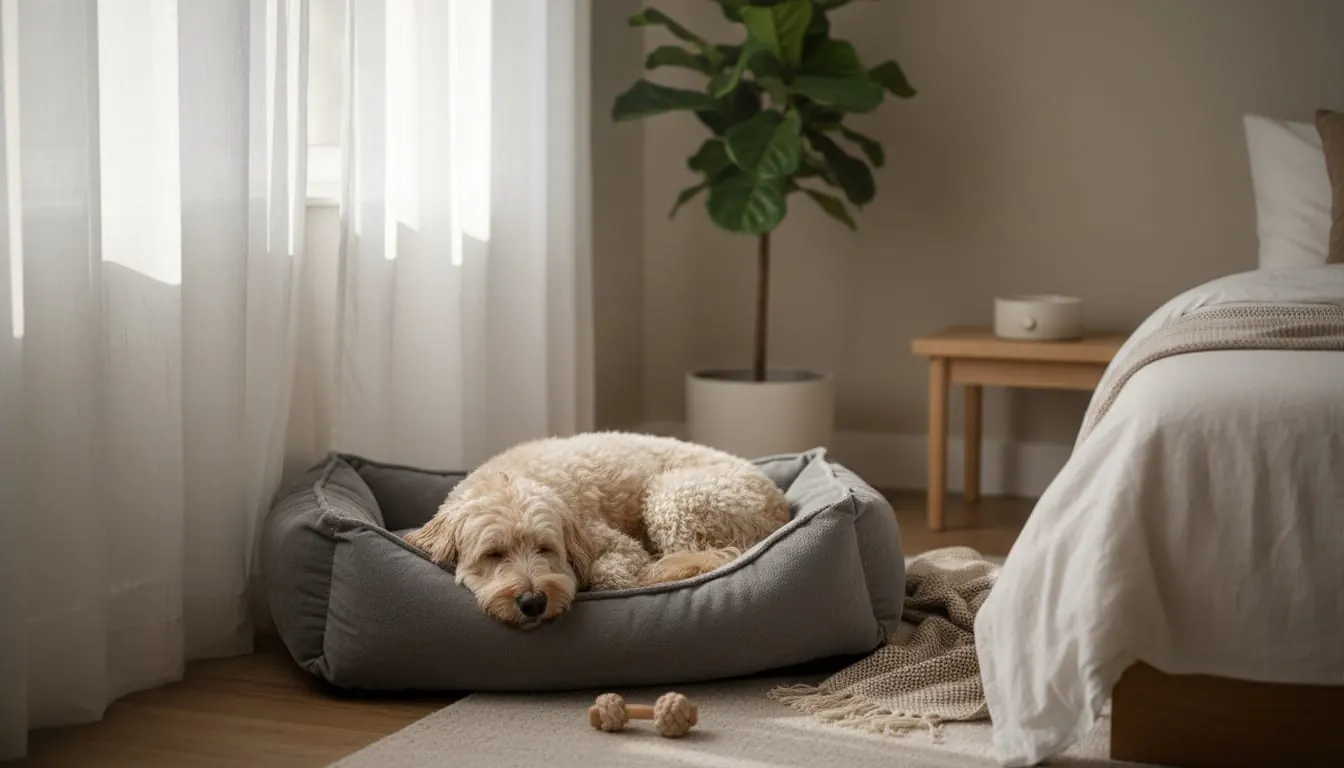
Use heavy curtains and consistent white noise to mask unpredictable household sounds and external weather noise.
Visual Privacy and Light Control
Control the visual environment by blocking the pet's sightline to the outside world—frosted window film or partially closed blinds—and swapping harsh overhead lighting for warm, low-level lamps. Visual overstimulation is a major contributor to elevated cortisol in pets. If your chosen room has a window at eye level for the pet, they may feel the need to 'guard' the house against every passing bird or pedestrian, so removing that view prevents the pet from being triggered by movement outside and allows their nervous system to stand down.
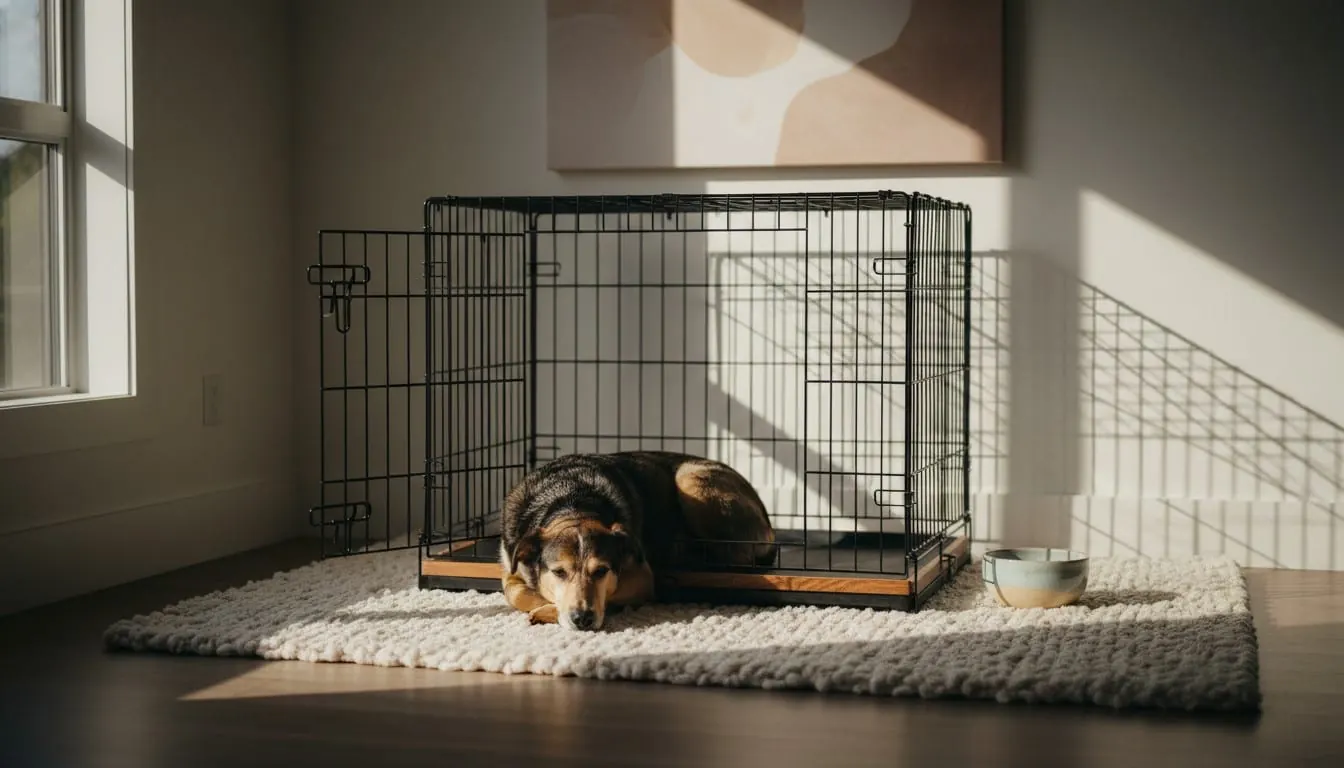
Lighting also plays a role in the Low-Stimulus Decompression Zone for New Pets. During the dark Irish winter months, avoid using harsh, flickering fluorescent lights or high-intensity LED 'daylight' bulbs, which can be taxing on a pet’s nervous system. Instead, use warm-toned lamps with a soft amber glow. This mimics the natural transition of light and helps regulate the pet's circadian rhythm, encouraging them to sleep during the day when the house is most active. For pets that prefer to hide, ensure there are 'den-like' structures available. A crate covered with a heavy blanket (leaving the front open for airflow) or a high-sided 'igloo' bed from Petstop provides a physical barrier that makes the animal feel invisible to 'predators,' which is a key psychological requirement for true decompression.
Reduce visual triggers by using window film and soft, warm lighting to create a den-like atmosphere that encourages rest.
Olfactory Neutrality and Pheromone Support
Olfactory neutrality means keeping the decompression room free of strong artificial smells—no air fresheners, scented candles, or harsh bleach-based cleaners—so the pet's most important sense is not overloaded. A pet's primary way of navigating the world is through scent, and when they enter a new Irish home they are met with a cocktail of unfamiliar smells: cleaning products, perfumes, and even the scents of previous inhabitants. Strong fragrances can be physically irritating to a pet's nasal passages and contribute to a sense of unease.
To actively lower anxiety, introduce synthetic pheromones such as Adaptil (for dogs) or Feliway (for cats), which are widely available in Irish pet shops like Maxi Zoo. These diffusers release 'mamma' pheromones that signal safety and security to the animal’s brain. Additionally, ask the rescue centre or previous owner for a piece of bedding that smells of the pet’s previous environment. Placing this 'scent bridge' in the new zone provides a familiar anchor in an ocean of newness. If you don't have this, an old t-shirt you have worn (and not washed) can help the pet begin the process of bonding with your scent in a non-threatening, passive way. Olfactory comfort is the fastest route to the emotional centres of the brain.
Avoid strong household fragrances and use pheromone diffusers combined with familiar scents to provide emotional grounding.
Troubleshooting: Managing Cortisol Spikes
If your pet is pacing, panting excessively, or refusing even high-value treats, they are likely experiencing a cortisol spike, and the correct response is to reduce stimulation further rather than offer more comfort or interaction. These signs usually mean the zone is still too stimulating or the pet was moved into the wider house too quickly. Troubleshooting the decompression phase requires keen observation of your pet's 'body language of stress' rather than assumptions about how settled they should be by now.
If the pet refuses to settle, consider if there are 'invisible' triggers. Is there a high-pitched hum from an electronic device? Is there a reflection in a mirror that they perceive as another animal? One common mistake in Ireland is trying to 'comfort' the pet too much by constantly entering the zone. If the pet is hiding, let them hide. Forcing interaction will only raise their stress levels. Signs that the zone is working include deep sleep (the 'floppy' dog or cat), grooming, and a willingness to explore the immediate area when you are not in the room. If after 72 hours the pet is still showing signs of extreme distress—such as self-harm, constant vocalisation, or aggression—it is time to consult a professional. Organisations like APDT Ireland (Association of Pet Dog Trainers) can provide local experts who specialise in rescue transitions and fear-based behaviours.
Observe for signs of stress like pacing or panting, and allow the pet to remain undisturbed if they choose to hide during the first few days.
Conclusion
Designing a Low-Stimulus Decompression Zone for New Pets is the single most important step you can take to ensure a smooth transition for your new family member. By controlling the acoustics, visuals, and scents of the environment, you provide the biological support their nervous system needs to lower cortisol levels and begin the bonding process. Remember that every pet is an individual; while some may thrive after forty-eight hours, others may require a full week of seclusion. Be patient and follow their lead. If you notice signs of severe anxiety that do not improve, please consult your vet or a certified animal behaviourist in Ireland. Safety is paramount: ensure the zone is 'pet-proofed' by removing loose cables or toxic house plants. With the right environment, your new pet will soon feel safe enough to leave their zone and start their new life with you.
Frequently asked questions
How long should my pet stay in the decompression zone?
Most experts recommend a minimum of three days, often following the '3-3-3 rule': three days to decompress, three weeks to learn the routine, and three months to feel at home. Highly anxious pets or those from traumatic backgrounds may need up to two weeks in the zone before they are ready to explore the rest of the house. Let the pet's body language, not the calendar, set the pace.
Can I use the kitchen as a decompression zone?
Generally, no. The kitchen is usually the busiest room in an Irish home, with loud, unpredictable noises from the kettle, dishwasher, and washing machine. Kitchens also tend to be a high-traffic route to the garden, which prevents a new pet from reaching the deep state of rest that decompression requires.
Should I leave my pet alone in the zone all day?
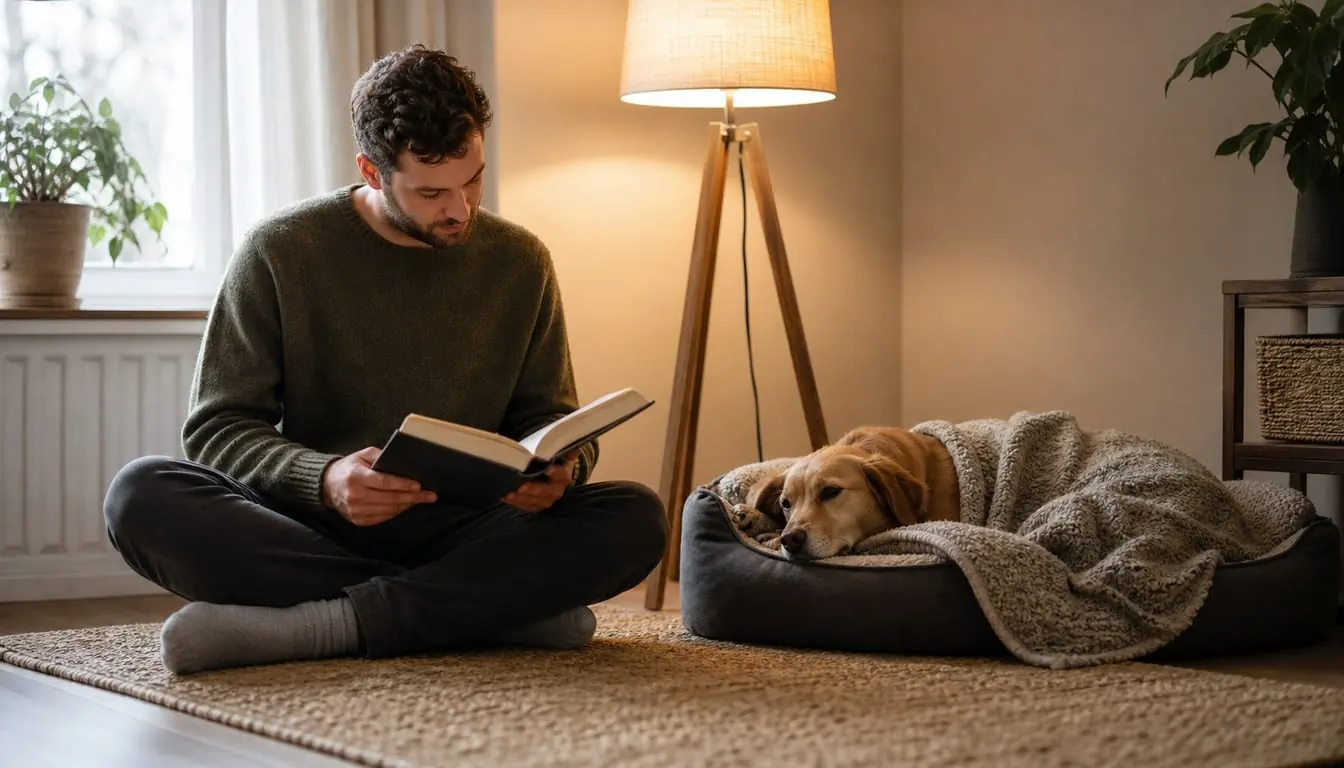
Not necessarily. Spend quiet time in the room—reading a book or working on your laptop—without directly interacting with or staring at the pet. This helps them get used to your presence in a non-threatening, low-pressure way while still allowing them to rest undisturbed.
What if my pet barks or cries when left in the zone?
Some vocalising is common in the first few hours of arrival. Make sure all their physical needs are met—food, water, and toilet—and try increasing the white noise to mask household sounds. If the crying persists, sit quietly outside the door or in the room with them until they settle, rather than leaving them to become more distressed.
Do cats need a decompression zone as well as dogs?
Yes, and often for longer. Cats are territorial animals that bond to place before people, so a new cat should be confined to one quiet room with food, water, a litter tray, and hiding spots for at least the first week. Only open up the rest of the home once they are eating confidently and choosing to approach you.
References & Sources
This article was researched using the following sources:
Stop guessing your pet's meals. Learn how to calculate pet calories using the RER formula to prevent obesity and ensure your dog or cat thrives in the Irish climate.
Explore the biology of decompression walks. Learn why prioritising olfactory stimulation over distance is essential for your dog’s mental health and stress regulation.