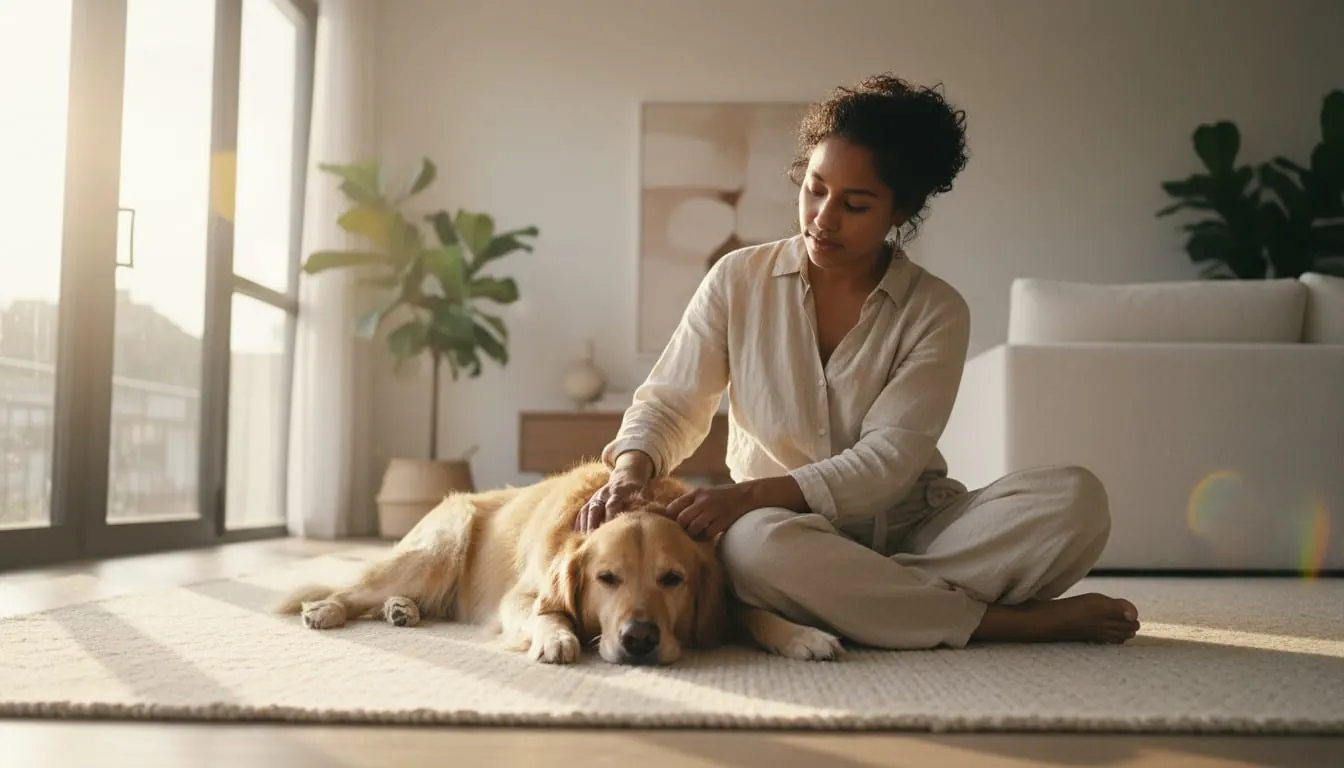
As a pet owner in Ireland, your primary goal is ensuring your companion lives a long, healthy life. While annual visits to your local vet are essential, many health issues can develop quietly between appointments. Conducting a systematic at-home pet health exam once a week allows you to establish a 'baseline' of what is normal for your dog or cat. By familiarising yourself with the feel of their body and the clarity of their eyes, you become the first line of defence against illness. This proactive approach isn't about diagnosis, but about early detection, ensuring that when you do visit the surgery, you provide your vet with precise, actionable observations that could save your pet’s life.
The Face and Mouth: Monitoring Vital Indicators
Begin your exam at the head, focusing on the eyes, ears, and mouth. The eyes should be clear, bright, and free from discharge. Any cloudiness or redness warrants a call to the vet. Move to the ears; they should be clean and pale pink. If you notice a 'yeasty' smell or dark, coffee-ground-like debris, this often indicates an infection or ear mites, which are common in Ireland’s damp climate.
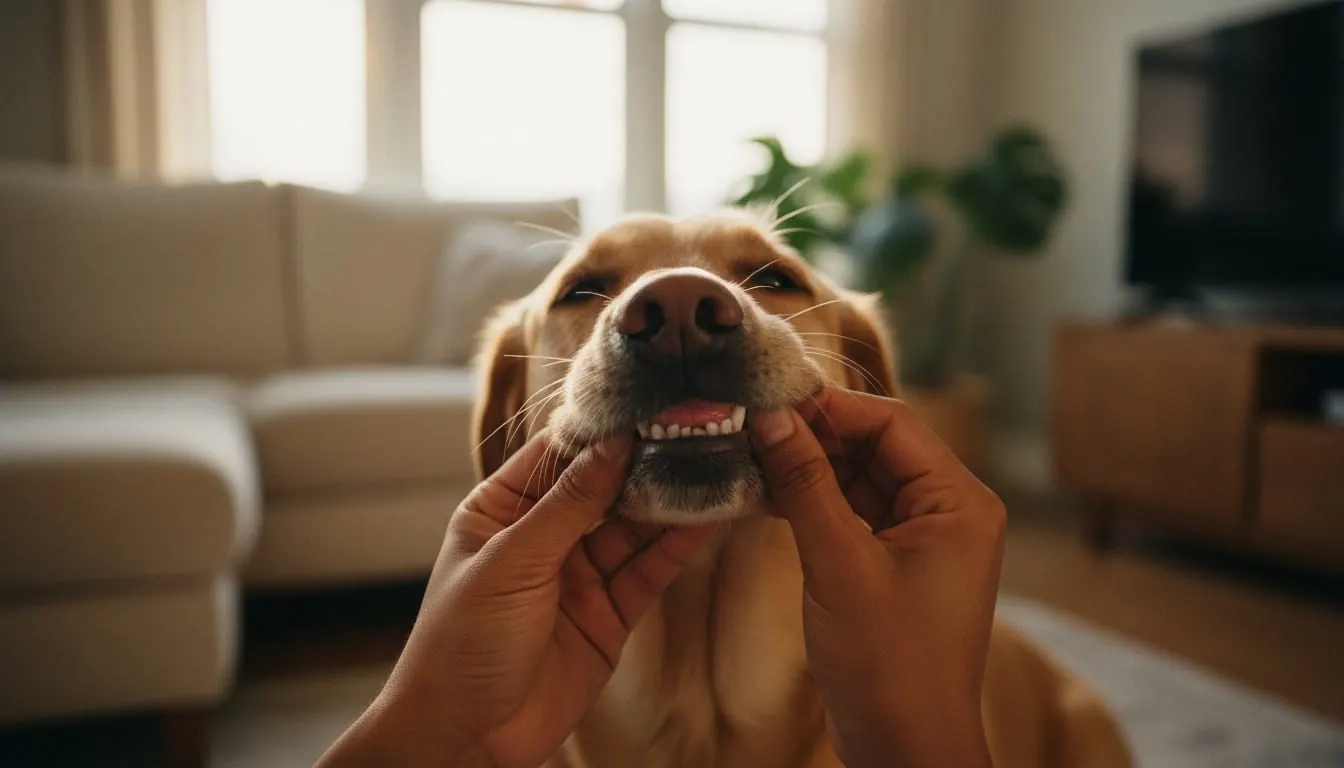
Checking the mouth provides critical data on circulation. Lift the lip to inspect the gums. They should be a healthy 'bubblegum' pink. Perform a capillary refill test by pressing your finger firmly against the gum until it turns white, then release. The pink colour should return within two seconds. If the gums are pale, blueish, or brick red, seek immediate veterinary attention. Additionally, check for 'tacky' or dry gums, which are a sign of dehydration. Note any broken teeth or a sudden onset of foul-smelling breath, as dental disease can lead to systemic infections affecting the heart and kidneys.
Healthy gums should be bubblegum pink and return to colour within two seconds of being pressed.
Tactile Inspection: Feeling for Lumps and Lymph Nodes
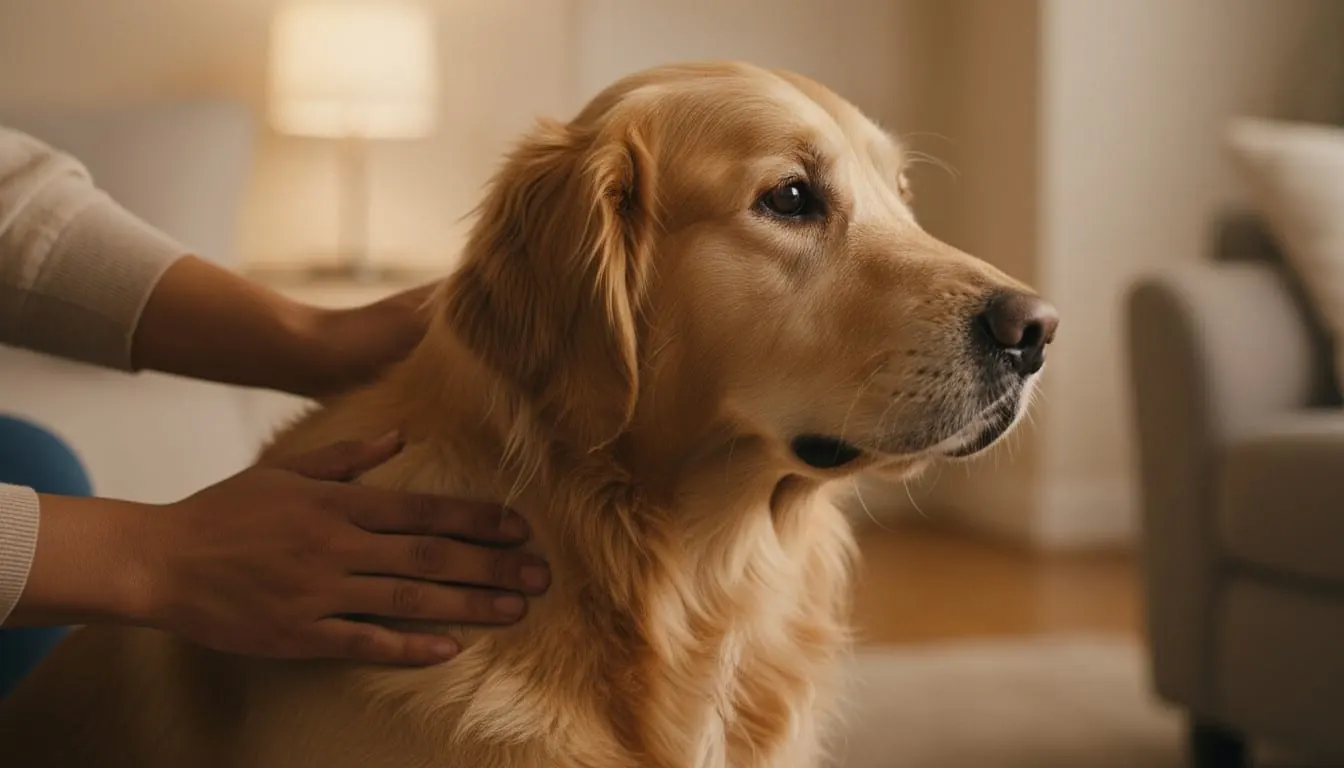
To check for lumps and lymph nodes, use the flat pads of your fingers in a gentle, circular kneading motion across the entire body, starting behind the ears and working down the neck. This is the most critical stage of the at-home pet health exam. You are looking for 'lumps and bumps'—any new growth, regardless of size, should be noted. Pay particular attention to the lymph nodes: in a healthy pet these are usually difficult to feel, but if they are enlarged, they may feel like firm, movable peas or beans.
Key areas to check include the submandibular nodes (under the jawline), the prescapular nodes (just in front of the shoulder blades), and the popliteal nodes (behind the 'knees' of the back legs). If these feel swollen or symmetrical, it could indicate an immune response or more serious underlying issues. Simultaneously, assess coat quality. A healthy coat should be shiny and not 'staring' or brittle. In Ireland, be particularly vigilant for skin irritation or 'hot spots' during the humid summer months or dander buildup during winter when indoor heating can dry out the skin.
Use your fingertips to feel for 'pea-sized' lymph nodes under the jaw and behind the hind legs.
The Middle Section: Abdominal Palpation and Vitals
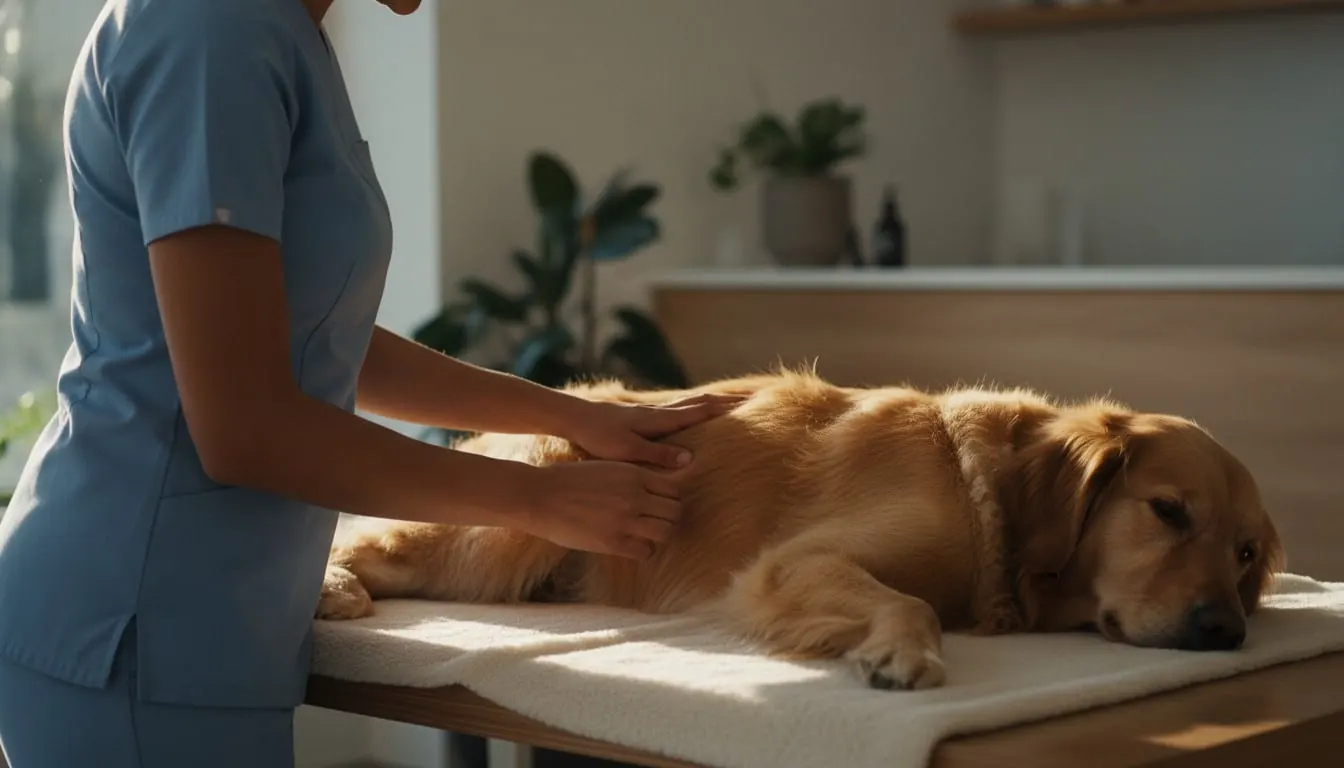
Moving to the torso, place your hands on either side of the ribcage. You should be able to feel the ribs with light pressure, but they should not be protruding. To check the abdomen, place one hand under the belly and press very gently upward. A healthy abdomen should be soft and relaxed. If your pet tenses up, groans, or moves away, this 'splinting' suggests abdominal pain or discomfort. Note any bloating or a 'tucked up' appearance that seems unusual.
Next, monitor the respiratory rate while your pet is at rest. A normal resting rate for most dogs and cats is 15 to 30 breaths per minute. Watch the rise and fall of the chest; it should be effortless. Finally, check hydration with the 'skin tent' test. Gently pinch the skin between the shoulder blades and let go. In a well-hydrated animal, the skin will snap back instantly. If it remains tented or slides back slowly, your pet may be dehydrated, a common issue if they are suffering from underlying kidney or digestive problems.
A healthy abdomen should feel soft and non-tender when gently pressed with the palm of your hand.
Limbs and Movement: Checking Paws and Joints
Finish the exam by inspecting the limbs, starting at the paws: check between the toes for grass seeds and awns, which are a common nuisance in the Irish countryside and can burrow into the skin causing painful abscesses. Ensure the nails are trimmed to a length that doesn't touch the floor when standing, and check the paw pads for cracks or burns. If you live in a coastal area like Galway or Dublin, rinse paws after walks to remove salt and sand that can irritate the skin.
Run your hands down each leg, feeling for heat or swelling around the joints. Gently flex and extend the joints to check for a full range of motion. If your pet yelps or resists, it may indicate early-onset arthritis or a soft tissue injury. Observe your pet as they walk across a hard surface. Listen for the 'click-click' of long nails or any subtle limping. For older pets, stiffness in the morning that improves with movement is a classic sign of joint wear, and catching this early allows for better management through supplements or environmental changes like ramps.
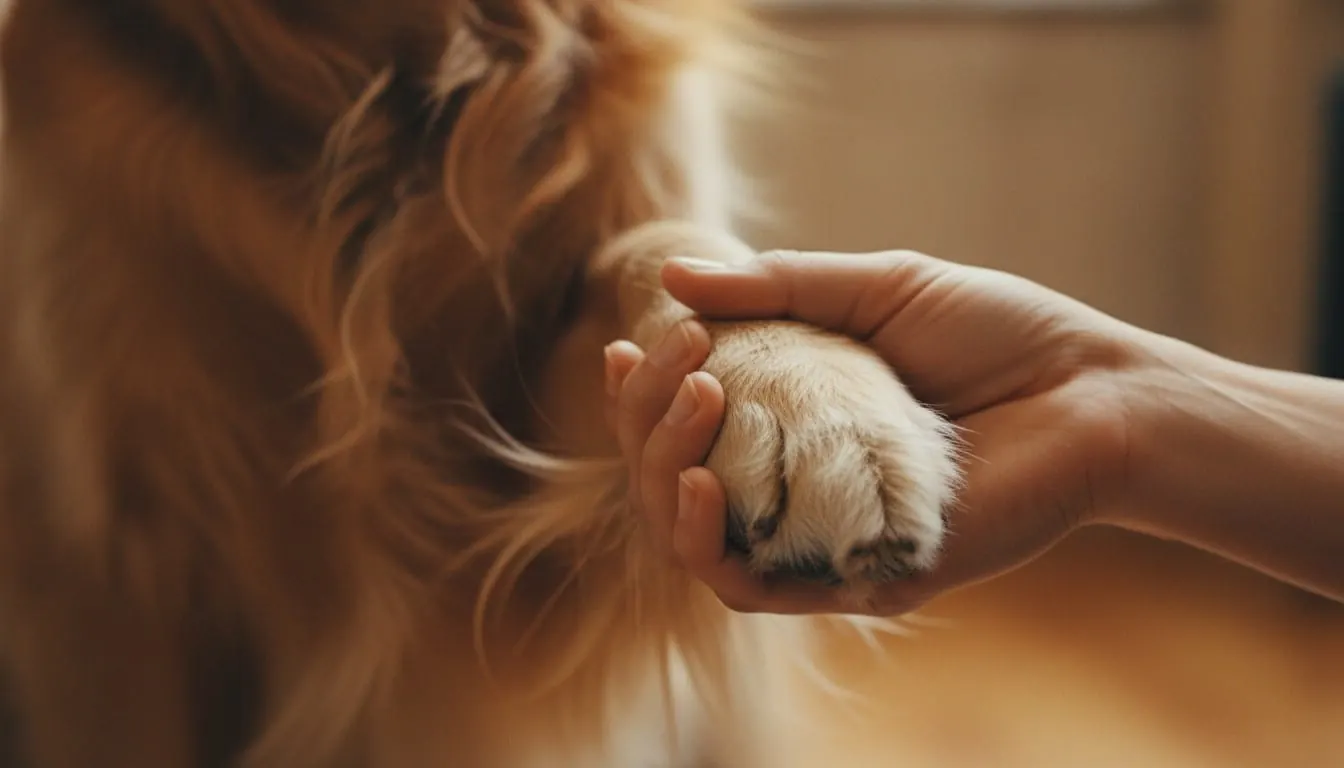
Check between the toes for grass seeds and salt residue, and monitor joints for heat or swelling.
Troubleshooting: Differentiating Normal from Abnormal
The rule of thumb is straightforward: anything that is new, growing, painful, or different from your pet's established baseline warrants a call to the vet, while soft, unchanged findings can simply be noted and monitored. For instance, many older dogs develop lipomas—benign fatty tumours that are typically soft, movable, and located just under the skin. However, you cannot distinguish a lipoma from a malignant mass by touch alone, so a 'wait and see' approach is risky. If you find a lump larger than a centimetre or one that is growing rapidly, it is time to consult your vet.
Another common issue is 'phantom' pain. If your pet reacts during the exam, try to replicate the touch elsewhere. If they only react in one specific spot, the pain is likely real. If your pet becomes highly stressed or aggressive during the exam, stop immediately. You do not want to create a negative association with being handled. In these cases, use high-value treats like small bits of cooked chicken to build positive reinforcement. If the stress continues, your vet can demonstrate handling techniques during your next visit to ensure the at-home pet health exam remains a bonding experience rather than a battle.
Check
Normal
Ring your vet if
Gums
Bubblegum pink, moist, refill within two seconds
Pale, blue, or brick-red gums, or refill slower than two seconds
Lymph nodes
Difficult to feel or barely palpable
Firm, pea- or marble-sized swellings under the jaw or behind the knees
Resting breathing
15 to 30 effortless breaths per minute
Persistently over 30 breaths per minute, laboured effort, or noisy breathing
Skin tent test
Skin snaps back instantly when released
Skin stays tented or slides back slowly, suggesting dehydration
Lumps and bumps
No new growths since your last weekly check
Any lump over a centimetre, growing quickly, or firm and fixed in place
Normal findings versus signs that need a vet
Any lump larger than a centimetre or that is growing should be professionally evaluated by a vet.
Conclusion
Performing a systematic at-home pet health exam is one of the most proactive steps you can take as a responsible pet owner in Ireland. By dedicating just ten minutes a week to this nose-to-tail inspection, you build a deeper bond with your companion and gain the peace of mind that comes with knowing their 'normal' state. Remember, you are not expected to be a medical professional; your role is to be an observant advocate. If you find anything unusual—whether it’s a lump, a change in breath, or a tender abdomen—note it down and contact your local VCI-registered veterinary practice. Early intervention is often the difference between a simple treatment and a complex medical journey. Keep your notes in a dedicated pet health journal to track changes over time, ensuring your pet enjoys the best quality of life possible.
Frequently asked questions
How often should I perform an at-home pet health exam?
Ideally, you should conduct a nose-to-tail check once a week. Frequent checks help you establish a 'normal' baseline for your pet, making it much easier to spot subtle changes like a new lump or a slight change in gum colour. Weekly checks also mean your pet becomes relaxed about being handled, which pays off at the vet.
What is the most important thing to look for during a health check?
Change is the most important finding. While checking vitals like gum colour matters, noticing a difference from last week—such as a lymph node that was previously unnoticeable now feeling like a marble—is the primary goal of the exam. Keep brief notes so you are comparing against a record rather than memory.
My pet won't sit still for the exam. What should I do?
Keep sessions short and positive. You don't have to do the whole exam at once; check the ears in the morning and the paws in the evening. Use plenty of praise and small treats to make it a rewarding experience, and stop immediately if your pet becomes stressed so handling never turns into a battle.
What does it mean if my dog's skin doesn't snap back during the hydration test?
If the skin remains 'tented' or is slow to return to its original position, your pet is likely dehydrated. This can be caused by vomiting, diarrhoea, or underlying conditions like kidney disease. Contact your vet for advice the same day, as dehydration in dogs and cats can escalate quickly.
Does the weekly exam replace annual vet check-ups?
No. The at-home exam is an early-warning system, not a substitute for professional care. Your pet still needs annual visits to a VCI-registered practice for vaccinations, dental assessment, and a clinical examination that can pick up problems no owner can detect at home.
References & Sources
This article was researched using the following sources:
Stop guessing your pet's meals. Learn how to calculate pet calories using the RER formula to prevent obesity and ensure your dog or cat thrives in the Irish climate.
Explore the biology of decompression walks. Learn why prioritising olfactory stimulation over distance is essential for your dog’s mental health and stress regulation.