Low-Stress Veterinary Handling: A Guide to Choosing the Right UK Vet
Discover how to evaluate low-stress veterinary handling protocols. Learn to identify science-based clinics that prioritise your pet's emotional well-being during visits.
For many pet owners in the United Kingdom, a trip to the local veterinary surgery is often met with a sense of dread—not just for the bill, but for the visible distress it causes their furry companions. Traditionally, veterinary success was measured solely by the accuracy of a diagnosis or the success of a surgery. However, modern animal welfare science has shifted the focus toward the emotional experience of the patient. Understanding and seeking out low-stress veterinary handling is no longer a luxury; it is a critical component of lifelong health and medical compliance. When a pet is terrified, their physiological markers—such as heart rate and blood glucose—spike, which can lead to inaccurate test results and a lifelong aversion to medical care. This guide explores how to screen potential practices for fear-reduction protocols that ensure your pet's mental health is treated with the same importance as their physical health.
Evaluating the Waiting Room Environment
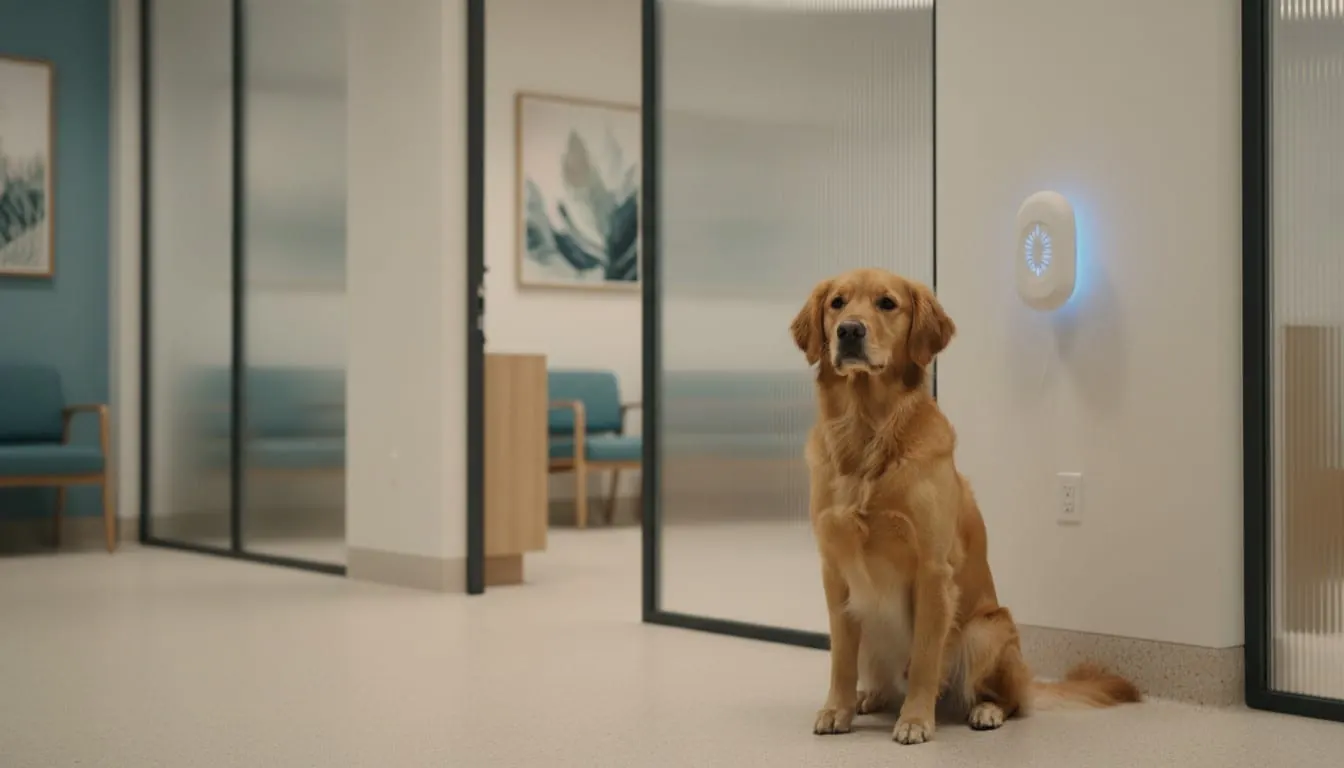
Judge the waiting room by whether it keeps cats and dogs apart, lifts cat carriers off the floor and lowers noise, because that first touchpoint sets your pet's stress level for the whole visit. A surgery committed to low-stress handling designs the space to minimise these triggers. In the UK, many older practices operate out of converted residential buildings where space is at a premium, but modern standards require creative solutions. Look for dedicated seating areas that separate cats from dogs. If the space is small, are there visual barriers like high-backed seating or frosted glass partitions? These prevent dogs from staring at one another, which is a major source of arousal.
Observe the olfactory environment. High-quality practices often use pheromone diffusers, such as Feliway for cats or Adaptil for dogs, which emit calming synthetic scents. You might also notice 'parking' spots for cat carriers—elevated platforms or shelves—since cats feel safer when they are off the ground. A practice that allows you to wait in your car and receive a text when the vet is ready is a gold-standard indicator of a fear-reduction mindset. This 'pager' system, similar to those used in busy restaurants like Nando's, prevents the chaotic 'scuffle' that often occurs in a crowded reception area during peak hours.
A low-stress waiting room uses physical barriers, elevated surfaces for cats, and pheromone diffusers to keep arousal levels low before the consultation begins.
Examination Room Dynamics and Treat Usage
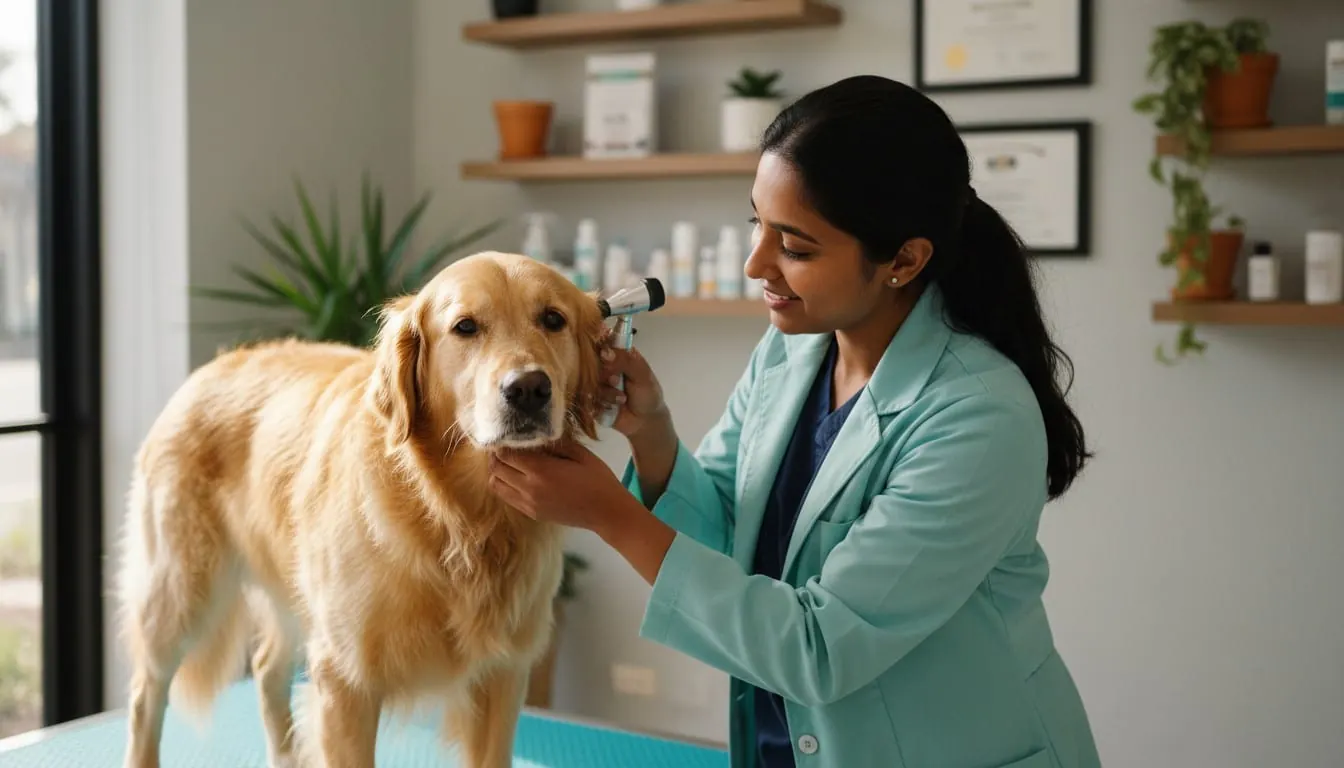
In the consulting room, a good sign is a vet who examines pets at their own level, on the floor or in the base of the carrier, and uses treats rather than force. A vet practising low-stress handling will not loom over your pet or try to haul a reluctant dog onto a high, slippery metal table. Instead, they may spend the first few minutes chatting with you while letting your pet explore the room. For larger dogs, the examination should ideally happen on the floor on a non-slip mat or yoga-style rug. For cats, a savvy vet might allow them to remain in the bottom half of their carrier rather than dragging them out through the door.
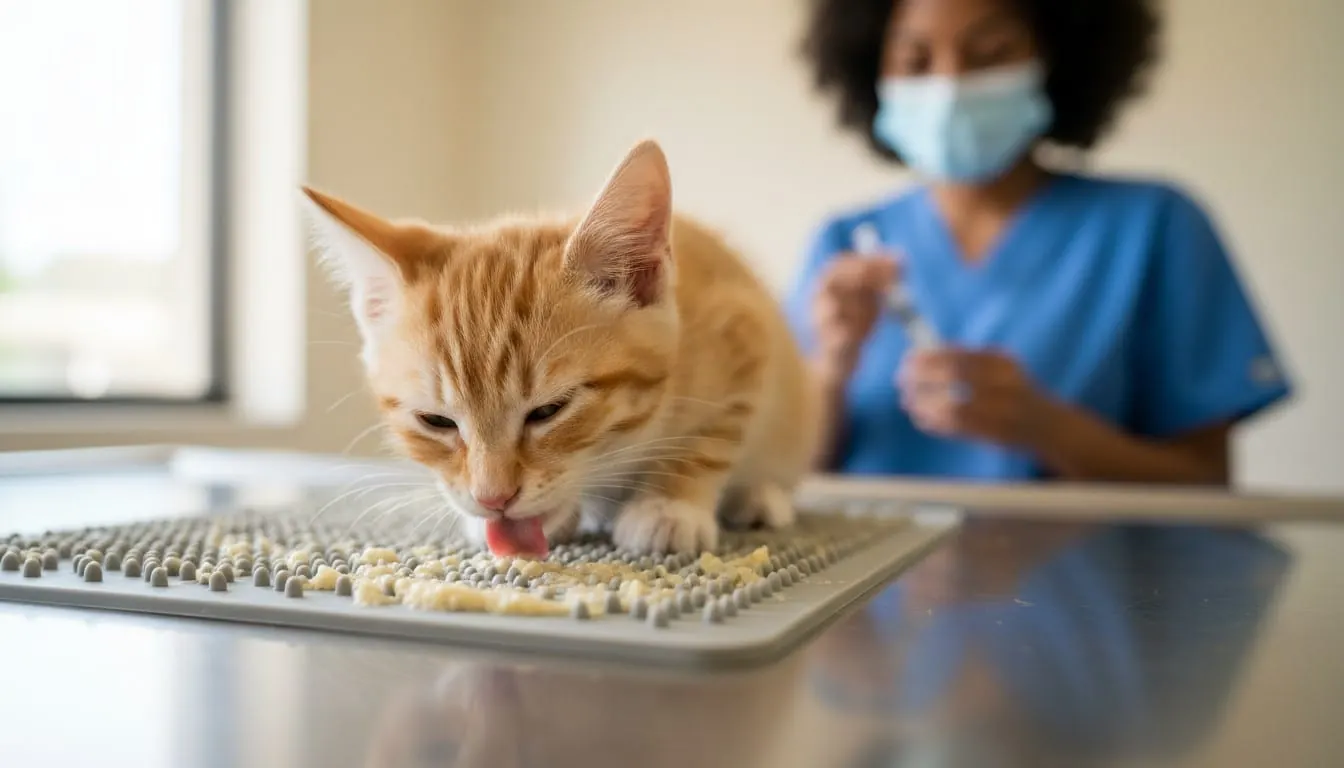
Treats are a primary tool in the low-stress toolkit. A 'Fear Free' or low-stress vet will have a variety of high-value rewards, such as Lick-e-Lix for cats or small pieces of chicken. In the UK, many vets even stock familiar brands like Lily's Kitchen or treats from Sainsbury's to entice picky eaters. If your vet asks you to bring your pet in slightly hungry so they are more motivated by food, this is a sign of an expert approach. The goal is to create a 'positive associative' link: the vet surgery equals delicious food. If the vet proceeds with an injection while the pet is distracted by a lick-mat covered in peanut butter, they are successfully managing the animal's emotional threshold.
Look for a vet who performs examinations on the pet's level and uses high-value treats to create positive associations with medical procedures.
Modern Handling Techniques vs. Outdated Methods
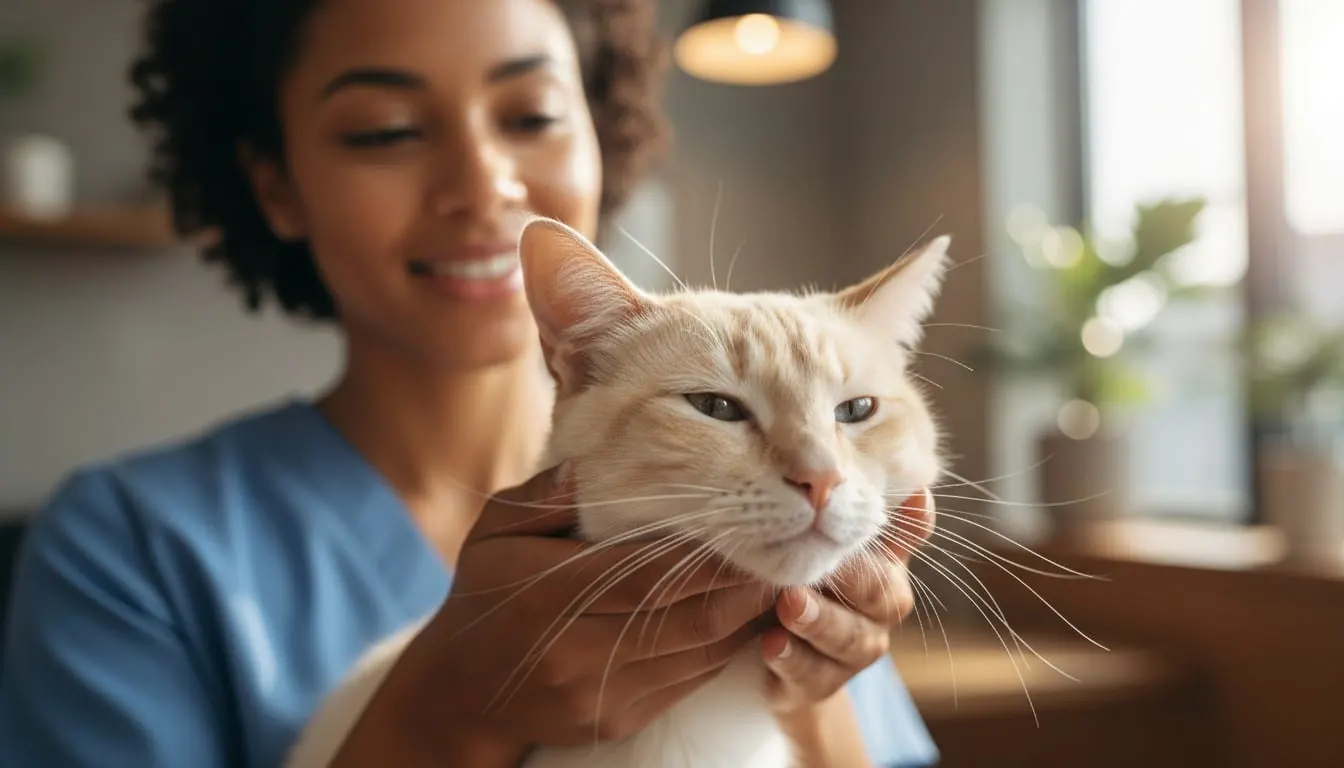
Modern handling replaces force with security: scruffing and pinning have given way to towel wraps and minimal restraint that let the animal keep some control. The physical interaction between vet and animal is the most revealing aspect of their protocol. In the past, 'scruffing' a cat (grabbing the skin at the back of the neck) was a standard restraint method. Today, science-based practices in the UK, following guidelines from the International Society of Feline Medicine (ISFM), have largely moved away from this. Scruffing is now recognised as a technique that induces fear and 'shutdown' rather than cooperation. Instead, look for 'towel wrapping' or 'the burrito technique', where a cat is gently swaddled to feel secure while allowing access to specific body parts.
For dogs, the 'less is more' approach is favoured. Instead of pinning a dog down for a blood draw, a low-stress practitioner will use minimal restraint and may employ two staff members—one to perform the procedure and one to provide continuous positive reinforcement and distraction. They will monitor the pet’s body language for subtle signs of stress, such as lip licking, yawning, or 'whale eye' (showing the whites of the eyes). If the pet becomes too distressed, a low-stress vet will stop and suggest a different approach, rather than 'powering through' and potentially causing a permanent phobia of the surgery.
Contemporary handling avoids scruffing and heavy-handed restraint, opting instead for towel wraps and 'less is more' techniques that respect the animal's physical agency.
Situation
Outdated approach
Low-stress approach
Restraining a cat
Scruffing the neck to force stillness.
Towel wrapping so the cat feels secure.
Examining a large dog
Lifting onto a high, slippery table.
Working on a non-slip mat on the floor.
A blood draw
Pinning the animal down to power through.
Minimal hold plus treats and distraction.
A pet that becomes distressed
Continuing until the procedure is finished.
Pausing and trying a gentler plan.
Outdated restraint versus modern low-stress handling
Recognising Professional Certifications
The two certifications worth looking for are the ISFM 'Cat Friendly Clinic' accreditation and 'Fear Free' certification, as both verify genuine training rather than a vague promise to be 'gentle'. In the United Kingdom, the Cat Friendly Clinic accreditation by the ISFM is a major indicator of excellence. Clinics are rated Bronze, Silver, or Gold based on their facilities and staff training. A Gold-standard clinic must have a dedicated cat-only waiting room and hospital ward, ensuring felines are never forced to see or smell their canine counterparts. This is vital because the scent of a stressed dog can trigger a fight-or-flight response in a cat before the vet even enters the room.
Another international standard gaining traction in the UK is the 'Fear Free' certification. Professionals who have undergone this training are educated in 'considerate approach' and 'gentle control' techniques. Even if a practice doesn't have a formal badge on the door, you can ask about their Continuing Professional Development (CPD). Do the nurses and vets regularly attend workshops on animal behaviour? A practice that invests in behavioural education is likely to be more attuned to low-stress veterinary handling. You can often check the practice's website or their 'About Us' section to see if they highlight a particular interest in feline medicine or canine behaviour.
Seek out practices with ISFM Cat Friendly or Fear Free certifications as evidence of a verified commitment to modern, low-stress handling standards.
Troubleshooting: Navigating Challenges with Your Vet
If your local surgery does not follow these protocols, advocate for your pet directly: ask for breaks, bring your own high-value treats and raise pre-visit medication for very fearful animals. This can be hard without feeling like a 'difficult' client, but remember that you are your pet's voice. If you notice your pet's stress levels rising, don't be afraid to suggest a break. You might say, 'I think Barnaby is getting a bit overwhelmed; could we try that again in five minutes with some of these treats I've brought?' Most UK vets are professionals who will appreciate your insight into your pet's temperament.
If the practice doesn't stock high-value treats, bring your own. Items like cocktail sausages from Tesco or a tube of primula cheese are often far more motivating than standard dry kibble. Additionally, if your pet is extremely fearful, discuss 'pre-visit pharmaceuticals' (PVPs) with your vet. These are mild sedatives or anti-anxiety medications administered at home before the journey. Some owners worry that this is 'cheating', but in reality, it prevents the brain from entering a state of trauma, making subsequent visits easier. A vet who is resistant to discussing PVPs for an obviously terrified animal may not be the right fit for a high-anxiety pet.
Be an advocate for your pet by bringing your own high-value treats and being open to discussing pre-visit anti-anxiety medications with your vet.
Nuanced Advice: When Stress is Unavoidable
It is important to acknowledge that in some emergency scenarios—such as a road traffic accident or acute poisoning—the speed of life-saving treatment must take precedence over low-stress protocols. In these 'red alert' moments, a vet may need to move quickly and use firmer restraint to ensure safety and survival. However, these instances should be the exception, not the rule. A truly skilled practice will debrief with you afterward and discuss how to manage the emotional fallout of such a traumatic event.
Furthermore, some pets have 'learned' fear from past negative experiences that no amount of chicken will immediately solve. In these cases, 'victory visits'—where you bring your pet to the surgery just to get a treat from the receptionist and then leave—are invaluable. Many UK practices are happy to facilitate this if you call ahead during quiet times. It is also worth noting that some breeds have specific handling needs; for example, Pugs and French Bulldogs may need more careful monitoring of their breathing when stressed. A nuanced approach means the vet tailors their handling not just to the species, but to the individual's history, breed, and current emotional state.
While emergencies may require firm restraint, a good vet will distinguish between life-saving urgency and routine care, offering 'victory visits' to help rehabilitate fearful pets.
Conclusion
Choosing a vet who prioritises low-stress veterinary handling is one of the most significant decisions you can make for your pet's long-term welfare. By looking for indicators such as separate waiting areas, the use of high-value treats, and a 'less is more' approach to restraint, you ensure that medical care does not come at the cost of emotional trauma. Remember that you are your pet's primary advocate; don't be afraid to ask questions or seek a second opinion if a practice's handling methods feel outdated. If your pet exhibits extreme fear, aggression, or shuts down during visits, it is highly recommended to consult with a qualified animal behaviourist (CCAB or ABTC registered) alongside your vet to create a tailored desensitisation plan. With patience and the right veterinary team, even the most anxious pets can learn that the surgery is a safe place.
Frequently asked questions
What is the 'three-second rule' in veterinary handling?
It is a technique where the vet or nurse touches the pet for about three seconds and then pauses. If the pet moves away it is given space, and if it leans in or stays relaxed the interaction continues. This gives the animal a sense of choice and control during the examination.
Does a low-stress or Fear Free vet cost more in the UK?
Consultation fees are generally comparable to any other practice. A low-stress visit can take a little longer, and longer appointments or pre-visit medication may add a small cost. Most owners find it a worthwhile investment that avoids the far greater expense of treating entrenched behavioural problems later.
Can I ask my vet not to scruff my cat?
Yes, you are entitled to ask about the handling methods used on your pet. Most modern UK vets are trained in feline-friendly techniques and will happily use a towel wrap or other supportive holds instead of scruffing when you state your preference. Raising it politely before the exam usually leads to a calmer visit.
How do I find a Fear Free or Cat Friendly vet near me?
Use the official Fear Free directory to search for certified professionals, and the International Cat Care listing to find accredited Cat Friendly Clinics. The RCVS 'Find a Vet' service also lets you look for UK practices that have earned awards under the Practice Standards Scheme.
What are pre-visit pharmaceuticals and are they safe?
Pre-visit pharmaceuticals are mild anti-anxiety medicines or sedatives given at home before the journey to keep a very fearful pet below its stress threshold. Used under veterinary guidance they are considered safe and can prevent a visit from becoming traumatic, which makes future appointments easier rather than harder.
References & Sources
This article was researched using the following sources:
Stop relying on vague bag labels. Learn how calculating resting energy requirements (RER) can prevent pet obesity and provide the exact nutrition your dog or cat needs.
Explore the science of cue selection and discrimination to improve your pet training. Learn why visual signals outperform verbal commands and how to fix muddy communication.
Discover why decompression walks are vital for your dog's mental health. Learn how olfactory stimulation reduces stress and improves behaviour more than a long run.