Developmental Fear Periods: Navigating Your Pet's Growth Stages
Understand developmental fear periods in puppies and kittens. Learn to identify these biological windows and use 'jolly routines' to prevent lifelong phobias.
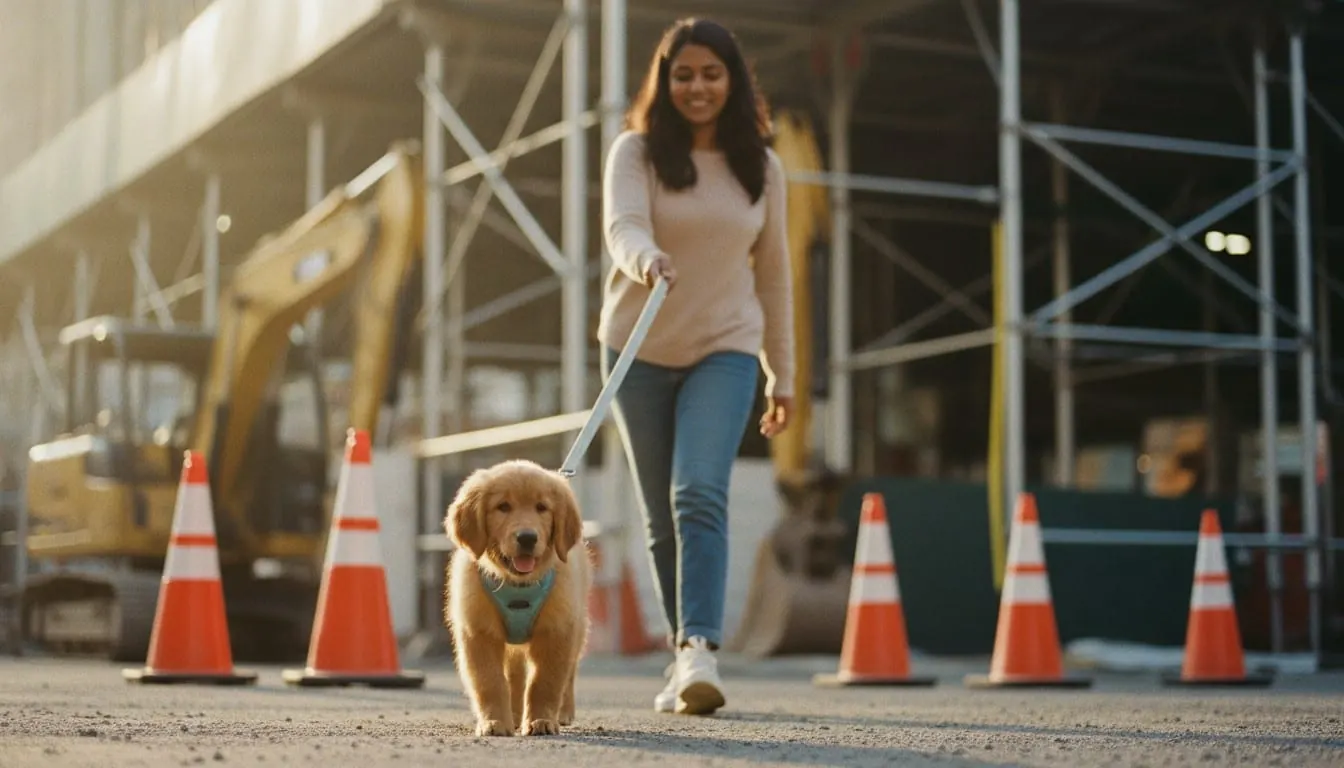
Welcoming a new puppy or kitten into your home is an exciting milestone, yet many owners are caught off guard when their once-confident pet suddenly begins cowering at a harmless Sainsbury's delivery van or a rustling crisp packet. These sudden shifts are often not a sign of a 'nervous personality' but are actually critical developmental fear periods. During these biological windows, the brain is hyper-sensitive to traumatic imprinting, meaning a single negative experience can manifest as a lifelong phobia if not managed correctly. Understanding these phases is vital for any UK pet owner wanting to raise a resilient, confident companion. By recognizing when your pet has entered a fear period, you can adjust your training protocols to ensure they navigate these sensitive milestones without lasting psychological scars, shifting from a state of alarm to one of calm curiosity through proven techniques.
The Biology of Fear Windows: When They Occur
Puppies experience their first fear period between roughly 8 and 10 weeks of age, followed by a secondary 'adolescent' window between 6 and 14 months, while kittens' single most sensitive period falls between 2 and 7 weeks. These windows are driven by physiological shifts in the brain's amygdala, the centre for processing emotions. The first puppy window is especially significant because it coincides with the age at which most pups arrive in their new homes. The adolescent phase is particularly tricky as it overlaps with sexual maturity and a surge in hormones, making previously brave dogs suddenly wary of familiar objects like a local park bench or a bin.
Kittens follow a much tighter timeline. Their primary socialisation window is exceptionally short, occurring between 2 and 7 weeks of age. While they may not have a secondary fear period as distinct as a dog's, they do experience a significant increase in wariness as they approach sexual maturity around 4 to 6 months. During these times, the pet's brain is essentially 'recording' threats with high fidelity. A negative encounter with a loud motorbike or an aggressive dog at this stage can be imprinted far more deeply than at any other time in their life.
Puppies face two distinct fear windows (8-10 weeks and 6-14 months), while kittens have a critical primary window from 2 to 7 weeks.
Identifying Fear vs. General Caution
The difference comes down to intensity and suddenness: a fear period produces a disproportionate reaction to something the pet previously ignored, while ordinary caution is a slow, curious hesitation. A pet in a fear period will often exhibit 'spooking'—a sudden, intense reaction to something that was previously ignored or considered safe. You might notice your dog backing away from a John Lewis carrier bag or your kitten puffing their fur at a shadow in the hallway. Physical signs include dilated pupils, tucked tails, trembling, and 'whale eye', where the white of the eye is visible as they scan for threats.
Caution is usually more gradual and inquisitive. A cautious pet might sniff the air and approach an object slowly. A pet in a fear period, however, feels a genuine sense of peril. In the UK, common triggers include the high-pitched hum of electric buses, the sound of rain on a conservatory roof, or even a person wearing a high-visibility jacket. It is crucial to observe the intensity of the reaction. If the response seems disproportionate to the stimulus and occurs suddenly during the known age brackets, you are almost certainly dealing with a developmental phase rather than a permanent trait change.
Look for sudden 'spooking' at familiar objects and physical signs like whale eye to identify a developmental fear period.
The 'Jolly Routine' vs. Coddling
The 'Jolly Routine' means modelling relaxed, upbeat body language so your pet reads the situation as safe, whereas coddling with anxious soothing tends to confirm that something is wrong. When a pet reacts fearfully, our human instinct is to scoop them up, stroke them, and say 'it's okay' in a soothing, high-pitched tone, yet over-fretting can inadvertently signal that there is indeed a threat. This involves the owner acting in a light-hearted, upbeat, and slightly silly manner. If your puppy barks at a postbox, you might start humming a cheerful tune, patting the postbox gently, and moving with relaxed, happy body language.
This isn't about ignoring the pet's fear, but rather providing a confident social cue that the environment is safe. If you are calm and 'jolly', your pet is more likely to look to you and realise the situation isn't dire. Avoid 'flooding', which is forcing the pet to stay near the scary object until they stop reacting. This often leads to 'learned helplessness' rather than true confidence. Instead, use the Jolly Routine at a distance where the pet feels safe enough to take a high-value treat, such as a small piece of cooked chicken or a lick of dog-safe peanut butter, gradually closing the gap as they relax.
Use an upbeat, cheerful 'Jolly Routine' to signal safety instead of over-soothing, which can reinforce the pet's sense of alarm.
Preventing Traumatic Imprinting
Traumatic imprinting occurs when a single negative event during a fear period creates a permanent phobia. Because the brain is in a state of 'heightened recording', the associations made are incredibly strong. For example, if a puppy is frightened by a loud firework during their 8-week window, they may develop a life-long fear of all loud bangs. To prevent this, owners should be extra vigilant about their pet's environment during these weeks. Avoid high-stress situations like busy town centres during Bank Holidays or vet visits that involve painful procedures if they can be delayed by a week.
If a negative event does happen, immediate 'counter-conditioning' is required. If a kitten is startled by a falling Argos catalogue, immediately start a game with their favourite feather toy or offer a premium treat. You want to 'overwrite' the negative association with a positive one as quickly as possible. This is why many UK trainers suggest 'happy visits' to the vet—where the pet goes in just for a treat and a pat without any clinical intervention. This builds a reservoir of positive experiences that can buffer the impact of an occasional scary moment during a fear period.
Protect your pet from high-stress environments during fear windows and use immediate positive reinforcement to overwrite any accidental scares.
Navigating the Adolescent Fear Period in Dogs
Navigate the adolescent fear period by lowering your training expectations, sticking to familiar routes, and giving your dog space rather than forcing confrontations. This secondary phase is often the most frustrating for owners because it happens just as the dog is becoming physically large and strong, and a 30kg Labrador suddenly refusing to walk past a parked car can be a significant challenge. During this phase, which can last from a few weeks to a couple of months, it is vital to return to 'Puppy 101' basics. Reduce your expectations for perfect heel-work and focus on building confidence through scent work and low-impact exploration.
Because this period involves hormonal changes, male dogs may show more defensive barking, while females might become more clingy. Stick to familiar walking routes in your local area where you have more control over the environment. If you encounter something new, such as a neighbour putting out their recycling bins, give your dog plenty of space. Let them observe the 'scary' object from 5 or 10 metres away. Patience is your greatest tool here; forcing an adolescent dog into a confrontation with their fear will almost certainly backfire. Usually, once the hormonal surge levels out and the brain matures, these irrational fears disappear as quickly as they arrived, provided they weren't reinforced by a traumatic incident.
During the adolescent fear period, lower your training expectations and give your dog extra space to process 'scary' objects from a distance.
Troubleshooting: When to Seek Professional Help
Seek professional help when the fear stops resolving on its own: if your pet cannot recover within a few minutes of leaving the situation, shows generalised anxiety even at home, or redirects aggression onto you, it is time to call in an expert. While most fear periods are a normal part of development, some pets may struggle more than others, and prolonged distress is the clearest signal that a phase has tipped into something that needs support. Watch in particular for generalised anxiety, where the pet is fearful even in the safety of its own home. Another red flag is redirected aggression, where a pet snaps at the owner because they are too overwhelmed by a frightening stimulus.
In the UK, you should look for behaviourists accredited by the Animal Behaviour and Training Council (ABTC) or the Association of Pet Behaviour Counsellors (APBC). These professionals use science-based, force-free methods to help desensitise your pet. You should also consult your vet to rule out any underlying medical issues; pain or discomfort can significantly lower a pet's threshold for fear. Remember, addressing these issues early is much easier than trying to fix a deep-seated phobia in a five-year-old animal. A professional can help you create a bespoke desensitisation plan tailored to your pet's specific triggers and your local environment.
Consult an ABTC-accredited behaviourist if your pet shows generalised anxiety or cannot recover quickly from a fearful event.
Conclusion
Navigating developmental fear periods requires a delicate balance of patience, observation, and proactive management. By understanding that these 'spooking' episodes are biological milestones rather than permanent flaws, you can approach your pet's fears with empathy instead of frustration. Utilise the 'Jolly Routine' to model confidence, avoid high-stress environments during sensitive weeks, and never hesitate to seek professional UK-accredited guidance if the fear becomes overwhelming. With the right support, your puppy or kitten will emerge from these periods with a robust sense of confidence, ready to handle the world. The goal is not to eliminate fear entirely—which is a natural survival instinct—but to ensure your pet knows they can trust you to guide them safely through any uncertainty they encounter.
Frequently asked questions
Can I comfort my puppy if they are scared?
Yes, and how you do it matters more than whether you do it. Avoid frantic petting or high-pitched 'poor baby' talk, which can confirm that something is wrong. Instead, stay a calm, upbeat anchor; a steady presence tells your puppy you are in control and the situation is safe.
How long does a fear period last?
A single fear period usually lasts around two to four weeks. The adolescent phase in dogs is often patchy rather than continuous, so a dog may seem fine one day and spooked the next across several months. Most pets emerge from these windows naturally once the brain matures.
Will my pet simply grow out of a fear period?
Most puppies and kittens do grow out of these phases as their brain matures, provided they are not badly frightened during the window. The risk is that a genuinely traumatic event gets imprinted and hardens into a lasting phobia. Careful management of the environment during these weeks is what makes the difference.
Is it alright to use treats during a fear period?
High-value treats are one of the best tools available during a fear period. Offering a piece of cooked chicken or a lick of dog-safe peanut butter when your pet notices something worrying changes the emotional response from 'that is scary' to 'that predicts food'. Keep the pet at a distance where it feels safe enough to eat.
When should I contact a professional behaviourist?
Seek help if your pet cannot settle within a few minutes of leaving a trigger, shows anxiety even at home, or redirects aggression onto you. In the UK, look for behaviourists accredited by the Animal Behaviour and Training Council (ABTC) or the Association of Pet Behaviour Counsellors (APBC), and ask your vet to rule out any underlying pain first.
References & Sources
This article was researched using the following sources:
Stop relying on vague bag labels. Learn how calculating resting energy requirements (RER) can prevent pet obesity and provide the exact nutrition your dog or cat needs.
Explore the science of cue selection and discrimination to improve your pet training. Learn why visual signals outperform verbal commands and how to fix muddy communication.
Discover why decompression walks are vital for your dog's mental health. Learn how olfactory stimulation reduces stress and improves behaviour more than a long run.