Beyond the 7-Day Switch: Troubleshooting Stalled Food Transitions
Struggling with stalled food transitions? Learn the 'Reset Protocol' to handle diarrhea, identify ingredient intolerance, and move past the 50% mixing mark.
Most pet parents know the standard advice: switch your dog's food over seven days using the 25/50/75 percent mixing rule. For many dogs, though, biology doesn't follow a calendar. A stalled food transition happens when a pet keeps experiencing digestive upset—usually loose stools or gas—that doesn't resolve as you raise the new-food ratio, and it tends to appear right at the 50% mark, leaving owners unsure whether to push through or give up on the new diet. The good news is that most stalls are a pacing problem, not a food problem, and the fix is a slower, more deliberate approach we call the 'Reset Protocol' rather than a full retreat to the old bag.
The 50% Wall: Why Transitions Stall Mid-Way
Transitions most often stall at the 50/50 mix because that is the point where the gut has to process two very different nutrient profiles at once. At this stage the canine microbiome is caught between two fiber sources and fat profiles, and if the new food is markedly higher in protein or uses a different fat source, the digestive enzymes required for breakdown have to change quickly. When the gut cannot ramp up those enzymes fast enough, partially digested food moves too rapidly through the colon and produces the loose, watery 'transition diarrhea' that owners dread.
In the United States, many owners switch from high-carb grocery store brands like those found at Walmart or Target to high-protein, 'ancestral' diets found at specialty boutiques or Amazon. This jump is often too steep for a seven-day window. Instead of a linear progression, think of the transition as a biological negotiation. Your dog’s internal flora needs time to colonize around the new ingredients. If you see soft stools at the 50% mark, your dog's gut is telling you it has reached its current processing limit.
A stall at the 50% mark usually indicates the gut microbiome needs more time to produce the specific enzymes required for the new food's nutrient profile.
The Reset Protocol: Reclaiming Digestive Stability
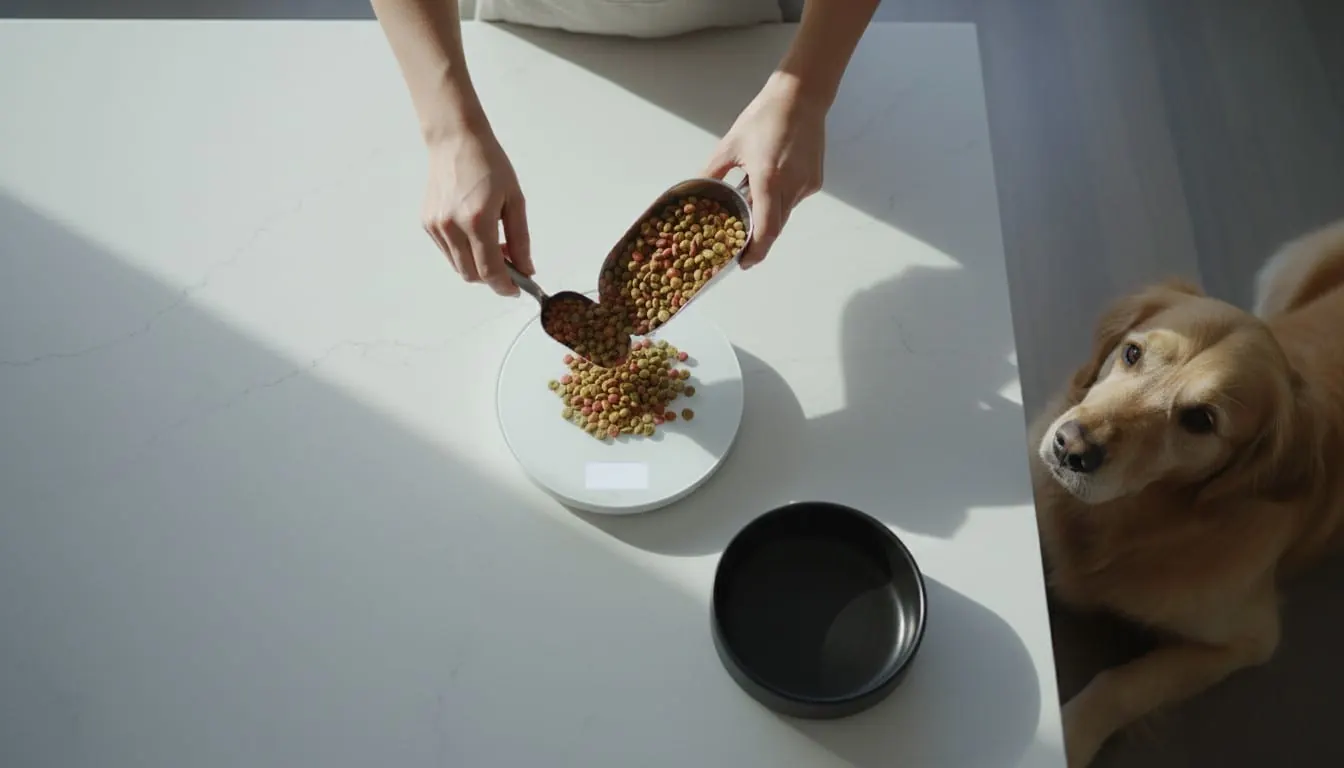
The Reset Protocol means dropping back to the last mixing ratio where your dog's stool was firm and holding there before you try to advance again. When a transition stalls, the instinct is to either retreat to 100% of the old food or push forward and hope the body adapts, and both can be mistakes. Instead, if your dog has loose stools for more than 48 hours at a given ratio, step back to the last successful ratio—for most dogs that means moving from 50% down to 25% new food.
Stay at this 'safe' ratio for a full five to seven days—not just 24 hours. This allows the inflammation in the intestinal lining to subside. During this period, keep activity levels moderate, as high-stress exercise can further stimulate an irritable bowel. Once the stool is consistently firm for several days, try increasing the new food by only 10% increments rather than the standard 25% jumps. This 'micro-transition' strategy is particularly effective for dogs with 'sensitive stomach' designations or older dogs whose enzyme production is less flexible.
The Reset Protocol involves dropping back to the last successful mixing ratio for a full week before attempting a slower, 10% incremental increase.
Adjustment vs. Incompatibility: Spotting the Red Flags
You can tell an adjustment problem from a true incompatibility by how severe and how persistent the symptoms are. An adjustment issue looks like soft-but-formed stools that improve as soon as you slow the transition down. Ingredient incompatibility looks different and more alarming: projectile vomiting, blood in the stool, or intense itching and paw-licking all point to a genuine intolerance or allergy to something in the new bag rather than a simple pacing problem.
Signal
Adjustment (slow down)
Incompatibility (change food)
Stool
Soft but formed; firms up when you slow the pace
Watery, or streaked with blood or mucus
Vomiting
Rare or absent
Repeated or projectile
Skin
Normal
Intense itching, paw-licking, ear flare-ups
Response to slowing down
Improves within a few days
No change even at a 10% mix by day 14
Best move
Reset Protocol and smaller increments
Stop the new food; try a different protein
Adjustment stall vs. ingredient incompatibility
Common culprits in US dog foods include specific protein sources like chicken or beef, or fillers such as corn and soy. If you reach the 14-day mark and your dog is still struggling even at a 10% mix, the problem is likely the ingredient list rather than the transition speed, and continuing to 'push through' risks chronic gut inflammation. Check the label for 'hidden' ingredients; a 'Lamb and Rice' formula, for instance, may still contain chicken fat or fish meal that is the real trigger for the upset.
Persistent vomiting, extreme itching, or bloody stools are red flags of ingredient incompatibility rather than a simple transition stall.
Strategic Additives to Support the Switch
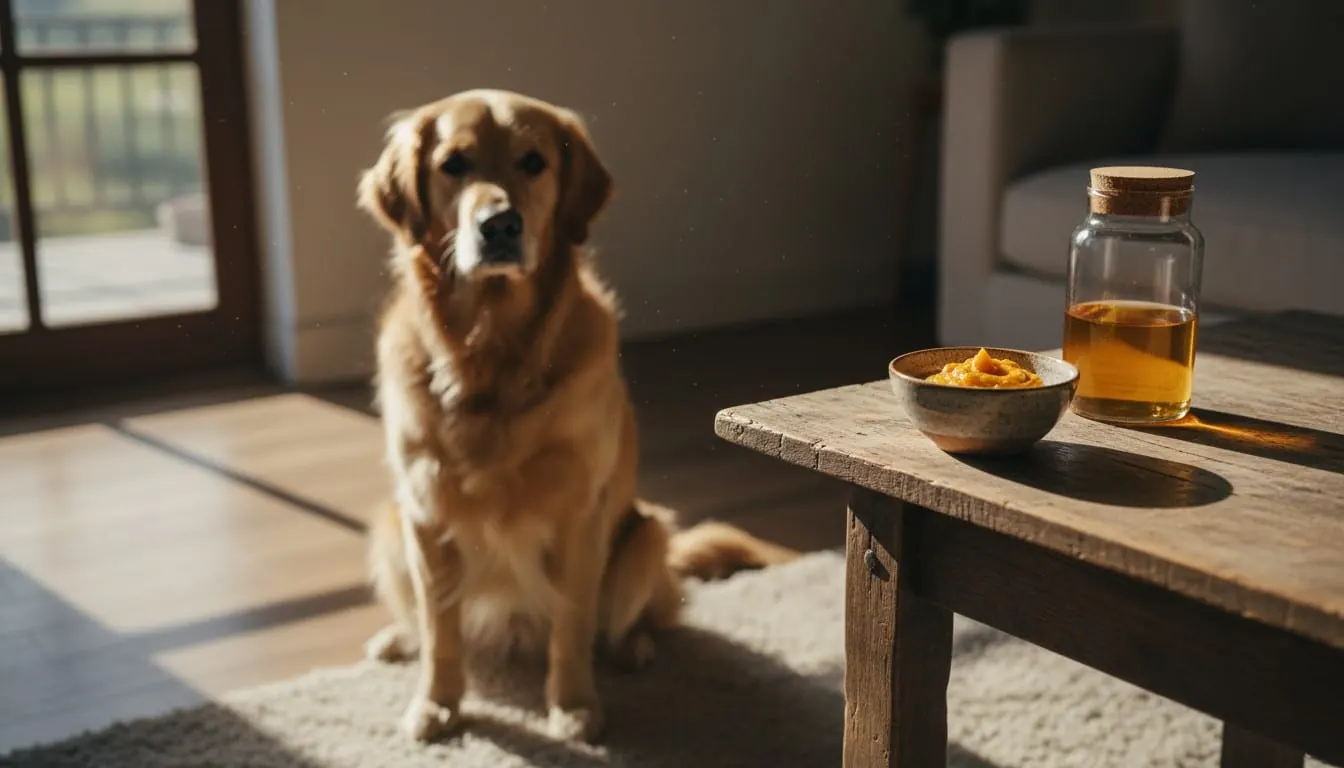
Three additives reliably help move a stalled transition across the finish line: plain canned pumpkin, a quality probiotic, and digestive enzymes. In the United States, plain canned pumpkin—not the spiced Thanksgiving pie filling—is the go-to first move, because it is rich in soluble fiber that absorbs excess water in the colon and firms up loose stool. A tablespoon for small dogs or a quarter cup for large dogs is a sensible starting amount, and studies in dogs link fiber-supplemented diets to better stool quality by shifting the gut microbiome toward beneficial fermentation.
Additionally, high-quality probiotics such as Purina Pro Plan FortiFlora or Advita provide a concentrated dose of beneficial bacteria to help the microbiome adjust. Digestive enzymes can also be added to the bowl to help break down the new proteins and fats while the pancreas catches up. If you choose to use these supports, introduce them at the start of the 'Reset Protocol' to give the gut the best chance of success. These tools act as a safety net, allowing the transition to continue without the discomfort of chronic GI upset.
Plain canned pumpkin and veterinary-strength probiotics provide the fiber and bacterial support necessary to firm up stools during a difficult transition.
Conclusion
Mastering the food transition comes down to patience and an observant eye, because the 7-day rule is a helpful suggestion rather than a biological law. If you hit a stall, remember the Reset Protocol: slow down, scale back to the last successful ratio, and support the gut with fiber and probiotics. Most 'failed' transitions are really just rushed ones. Always prioritize safety, though—if you see signs of dehydration or lethargy, or the diarrhea persists despite your troubleshooting, it is time to consult your veterinarian, who can rule out underlying parasites or infections that may have coincided with the food change. With a methodical approach and the right tools, you can navigate even the most stubborn feeding issues.
Frequently asked questions
How long can a food transition take for a dog with a sensitive stomach?
Most dogs adjust within the standard seven days, but sensitive dogs often need three to four weeks. A useful pace for them is a 'micro-transition' that raises the new food by about 10% every three days, which gives the gut microbiome time to adapt without triggering inflammation. Older dogs, whose enzyme production is less flexible, frequently fall into this slower group.
Should I fast my dog if they get diarrhea while switching foods?
A short fast of 12 to 24 hours can let an irritated gut rest if the diarrhea is severe, but check with your veterinarian before withholding food, especially for puppies. Keep your dog hydrated with water or an unflavored electrolyte solution throughout. If the diarrhea continues after the fast, contact your vet rather than repeating it.
Can I switch straight back to the old food if the new one fails?
Yes. If the new food is causing acute distress such as vomiting or watery diarrhea, it is safest to return to 100% of the old, tolerated food right away. Once your dog has been stable for about a week, you can try a different brand—ideally one built around a different protein source—using a slower schedule.
Why does my dog's transition always stall at the halfway point?
The 50/50 mix is the hardest stage because the gut is processing two different nutrient and fiber profiles at the same time. Research on dogs shows the fecal microbiome shifts within days of a diet change and then re-stabilizes, so a stall usually means your dog simply needs more time at that ratio. Holding the mix steady and then advancing in smaller 10% steps typically clears the plateau.
Do pumpkin and probiotics actually help during a food switch?
Plain canned pumpkin adds soluble fiber that absorbs excess water and helps firm up loose stool, and studies in dogs link fiber-supplemented diets to improved stool quality through changes in the gut microbiome. A veterinary probiotic supplies beneficial bacteria that help the microbiome adjust to the new food. Introduce either one at the start of the Reset Protocol so the gut has support while it adapts.
References & Sources
This article was researched using the following sources:
Stop guessing with vague feeding charts. Learn the veterinary math for calculating resting energy requirements to ensure your pet stays lean and healthy.
Discover why decompression walks are the ultimate mental health tool for your dog. Learn the biology of sniffing and how to prioritize scent over physical distance.