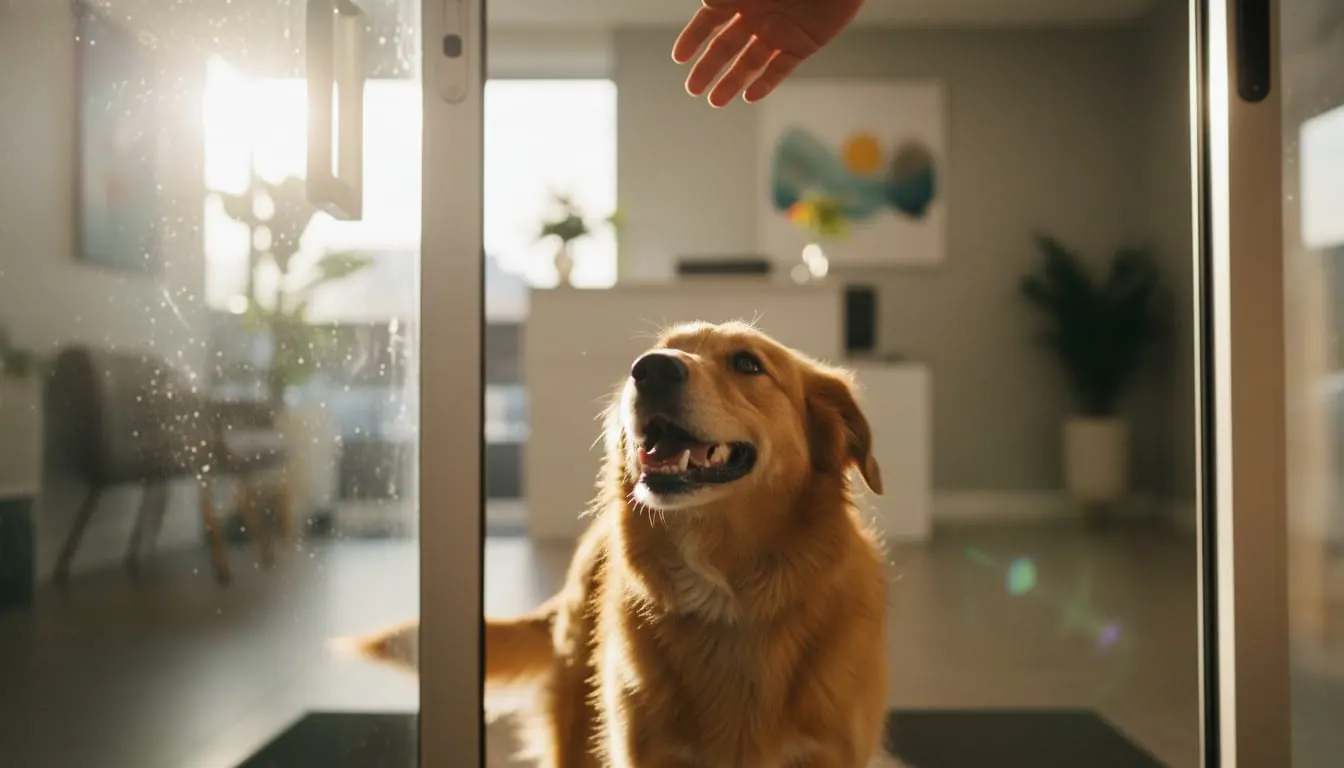
How to Evaluate Low-Stress Handling Protocols at Your Veterinarian
Screen your vet for low-stress handling protocols to ensure your pet stays calm. Learn the specific signs of a modern, science-based veterinary clinic.
When searching for a new veterinarian, most pet owners focus on the clinic's proximity to their home or the friendliness of the front desk staff. While these factors matter, the most critical element for your pet’s long-term health is the clinic’s commitment to low-stress handling protocols. These science-based techniques focus on the physical and emotional well-being of the animal, moving away from the 'muscling through' approach of the past. A vet visit shouldn't be a source of trauma. By prioritizing low-stress handling protocols, you ensure that your pet remains cooperative and calm, which allows for more accurate diagnostic testing and better medical outcomes. Screening a facility for these protocols means reading its waiting room, watching how the staff handle your pet, and confirming that they treat your pet's mental health with the same urgency as their physical health.
The Waiting Room: More Than Just a Lobby
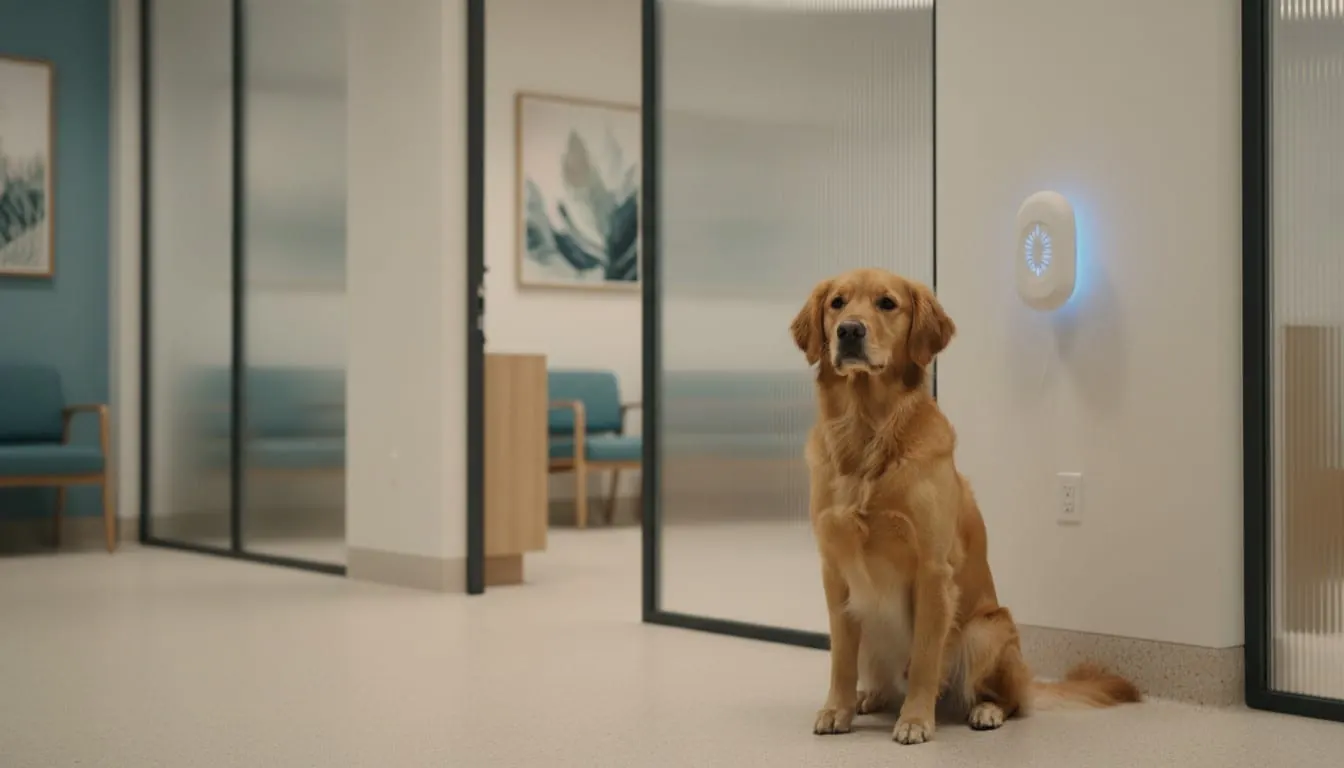
A low-stress waiting room is engineered to keep pets calm before they ever reach the exam room, so start your evaluation the moment you step through the door. A practice committed to low-stress handling protocols understands that the lobby is often the highest-stress area for a pet, and it answers with structural cues that prioritize animal comfort. Ideally, there should be separate waiting areas for dogs and cats, or at least visual barriers like high-backed benches or strategically placed shelving. In many modern US clinics, like those found in major metropolitan areas, you might even see 'cat parking' stations—elevated platforms where carriers can be placed safely off the floor, as cats feel more secure when they are high up.
Observe the atmosphere carefully. Is there an overwhelming scent of bleach, or do you notice the subtle use of pheromone diffusers? High-quality clinics often use products like Feliway for cats or Adaptil for dogs to create a chemically calming environment. Furthermore, check for 'non-slip' surfaces. If the lobby features slick tile or hardwood that causes your dog to slide, it can immediately trigger a fear response. Many fear-reduction advocates recommend that clinics use yoga mats or rubber runners to provide traction, which is a small but significant sign that the practice considers the animal's perspective.
A low-stress lobby features visual barriers between species and non-slip surfaces to prevent immediate anxiety.
Physical Examination and Handling Techniques
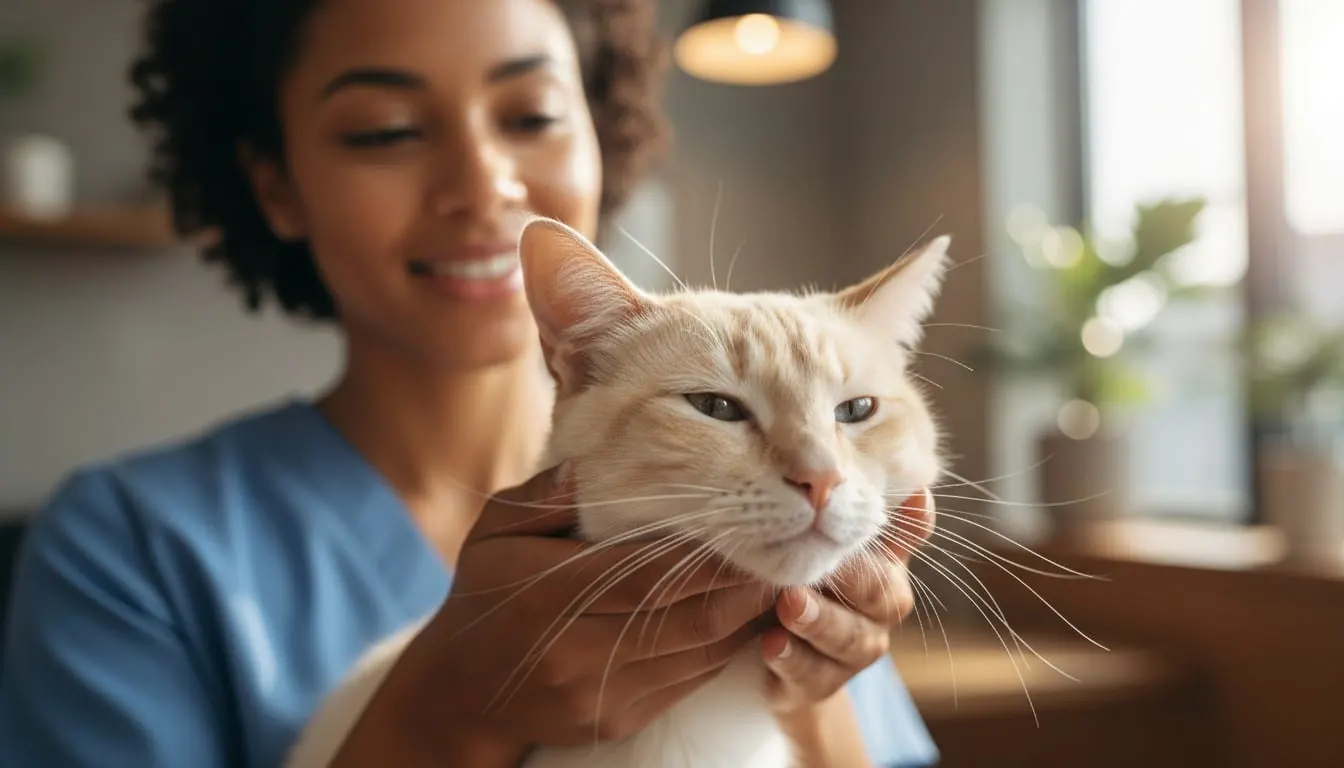
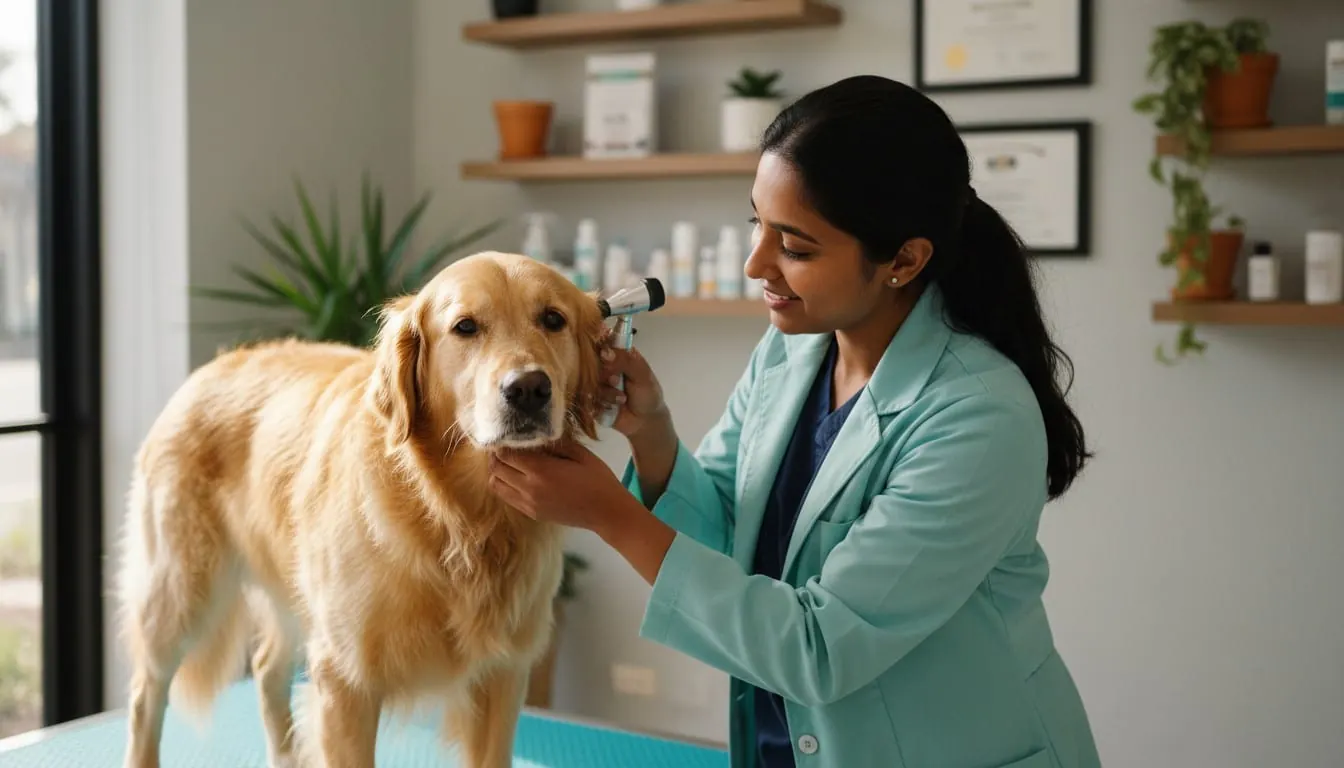
A low-stress veterinarian handles your pet with the minimum restraint needed and meets the animal where it feels stable, rather than forcing it into position. Once in the exam room, pay close attention to how the veterinarian and technicians physically interact with your pet. Traditional methods often involved 'scruffing' cats or pinning dogs to the table to get the job done quickly. Modern low-stress handling protocols emphasize 'less is more,' using only as much restraint as is necessary to safely perform a procedure. For example, a low-stress vet might examine a large dog on the floor where the animal feels more stable, rather than lifting them onto a high, slippery stainless steel table.
Watch for the pace of the interaction. A practitioner should move slowly and predictably, allowing the pet to sniff tools like stethoscopes before they are used. You should see techniques such as 'touch-gradient' handling, where the vet maintains constant physical contact and gradually moves their hand toward the area of interest rather than reaching abruptly for a sensitive spot like the ears or paws. If your pet shows signs of significant distress, a practitioner following these protocols will pause and reassess rather than forcing the animal to comply, which is vital for building long-term trust and safety.
Aspect
Traditional handling
Low-stress handling
Restraint
Scruffing or pinning to finish fast
Minimum restraint needed to stay safe
Exam location
Lifted onto a high steel table
Where the pet feels stable, often the floor
Pace
Reaches abruptly for sensitive spots
Slow, predictable 'touch-gradient' contact
Signs of distress
Pushes the animal to comply
Pauses, reassesses, or reschedules
Traditional handling versus low-stress handling
Experts prioritize minimal restraint and 'touch-gradient' movements to avoid startling or overwhelming the animal.
The Use of High-Value Rewards and Distraction
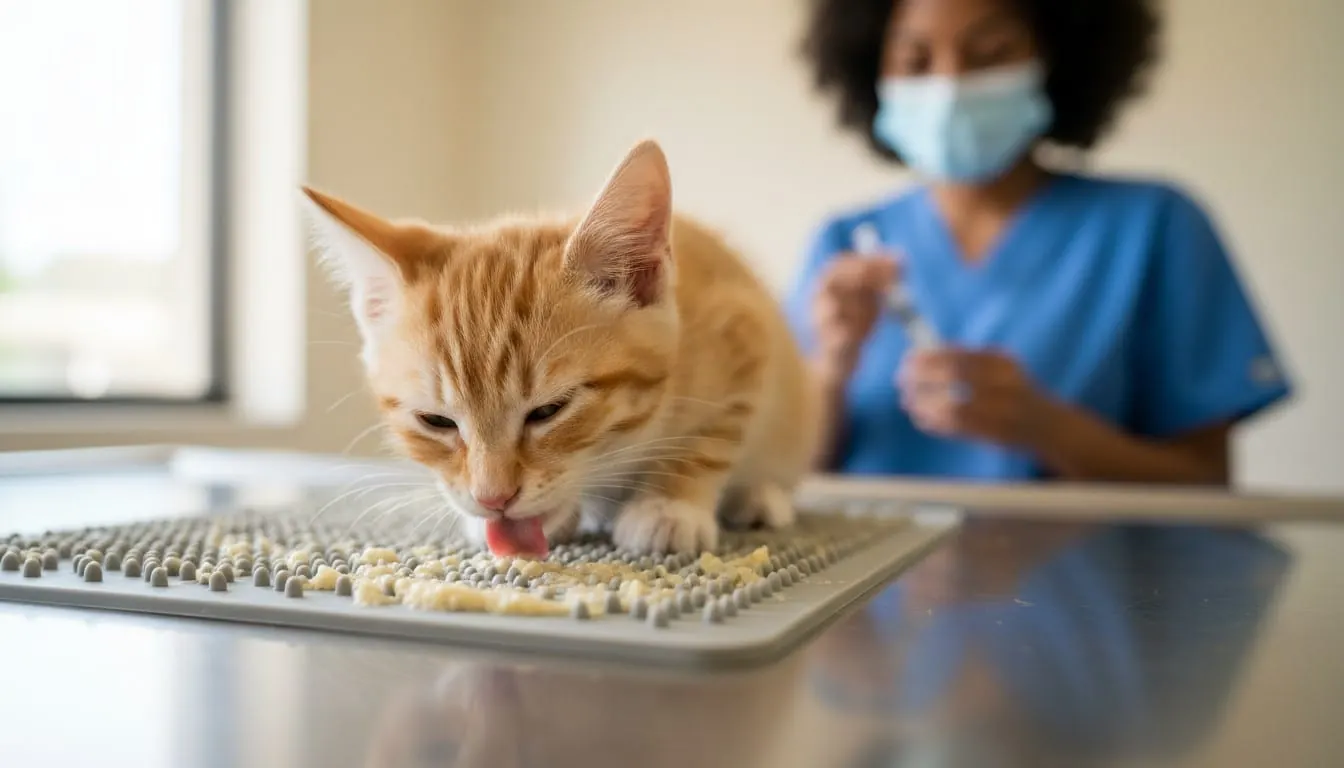
Low-stress clinics use a steady supply of high-value food to rewire your pet's emotional response to the visit, so the abundance and variety of treats on hand is a major 'green flag.' In a standard US veterinary office, you should see jars of biscuits, but a low-stress facility goes further with 'high-value' rewards. Look for squeeze cheese, peanut butter (strictly xylitol-free), or even wet food options. These tools are not just 'bribes'; they are essential components of classical counter-conditioning. By pairing potentially uncomfortable events, like a vaccine injection, with a delicious treat, the vet changes the pet's emotional response from fear to anticipation.
Ask the staff how they handle pets that are too nervous to eat. In a clinic following advanced low-stress handling protocols, if a pet refuses a high-value treat they normally love, the staff recognizes this as a sign of high physiological stress. Instead of proceeding, they may recommend a 'happy visit'—a free appointment where the pet simply comes in for treats and pets without any medical procedures—to rebuild a positive association with the building. This level of dedication to the animal's emotional state is the hallmark of a truly modern practice.
Look for a vet who uses varied, high-value food rewards to create positive associations with medical procedures.
Troubleshooting: When the Protocol Isn't Enough
When handling technique alone cannot settle a pet, a good clinic changes the plan rather than pushing through. Even with the best low-stress handling protocols, some pets remain profoundly anxious due to past trauma or genetic predisposition, and a high-quality vet will not view this as a failure of the owner or the animal. Troubleshooting a highly stressed pet requires a nuanced approach. If your pet is panting excessively, trembling, or attempting to hide, the vet should suggest an alternative plan immediately. This might include 'Pre-Visit Pharmaceuticals' (PVPs), mild sedatives or anti-anxiety medications administered at home before the appointment to 'take the edge off' and prevent the pet's stress from escalating into a panic attack.
If you find yourself in a situation where the clinic wants to 'manhandle' an aggressive or terrified pet, this is your sign to advocate for your animal and potentially seek a second opinion. A low-stress advocate knows that pushing a terrified pet can lead to 'learned helplessness' or increased aggression in future visits. Professional help in these cases often involves a multi-modal approach: specialized training at home combined with a vet team that is willing to move at the pet's pace, even if it means three short visits to accomplish what usually takes one.
If a pet's stress levels are too high, a low-stress vet will suggest anti-anxiety medication or 'happy visits' rather than force.
Safety and Professional Guidance: Knowing When to Level Up
You should escalate to a specialist when your pet’s fear stays high despite a low-stress clinic’s best efforts, or when its behavior becomes a safety risk. While general practitioners can implement many low-stress techniques, some cases require advanced expertise. If your pet’s fear, anxiety, or stress (FAS) levels are consistently high, you may need to consult a Board-Certified Veterinary Behaviorist. These specialists are the equivalent of a human psychiatrist; they have extensive training in the intersection of animal health and behavior, including the appropriate use of behavioral medications. You should consider this step if your pet’s behavior poses a safety risk to themselves or the veterinary staff, or if standard low-stress handling protocols at a general clinic are not yielding progress.
Safety is paramount. Never attempt to force a stressed animal into a carrier or car without proper guidance, as redirected aggression is a real risk. Always look for certifications such as 'Fear Free Certified' or 'Low Stress Handling Certified' (LSHC) when vetting a clinic. These designations ensure that the staff has undergone rigorous training in body language and humane handling. By choosing a certified professional, you are ensuring that the safety of both the human handlers and the animal is managed through science rather than physical dominance.
Seek a Board-Certified Veterinary Behaviorist if standard fear-reduction techniques fail to manage your pet's high stress levels.
Conclusion
Evaluating a veterinarian's commitment to low-stress handling protocols is an essential part of responsible pet ownership. By looking for visual cues in the waiting room, observing the staff’s handling techniques, and ensuring they prioritize positive reinforcement, you can significantly improve your pet's quality of life. Remember that your pet cannot speak for themselves; you are their primary advocate in the exam room. If a situation feels too stressful, do not be afraid to ask for a break or a different approach. For complex behavioral issues that persist despite these measures, always consult with a certified behavior professional. Transitioning to a low-stress environment takes effort, but the result—a pet that walks into the clinic with a wagging tail or a curious purr—is worth every moment.
Frequently asked questions
What is the difference between Fear Free and Low Stress Handling?
Both approaches aim to reduce a pet's fear, anxiety, and stress during veterinary care, and many clinics use them together. Fear Free is a certification program founded by Dr. Marty Becker that focuses on the pet's overall emotional experience. Low Stress Handling, developed by the late Dr. Sophia Yin, emphasizes the specific physical mechanics and technical handling skills the staff use on the animal.
Will low-stress handling make my vet visit more expensive?
Exam fees at low-stress clinics are generally comparable to those at traditional practices. You may pay more if your pet needs a longer appointment or pre-visit medication, but that spending often prevents the higher costs of sedation, repeat visits, or handling injuries later.
Can I bring my own treats to a low-stress vet visit?
Yes, and most low-stress vets actively encourage it. Bringing your pet's favorite high-value foods, such as boiled chicken or small pieces of xylitol-free treats, gives them a reward they find truly motivating. It also helps the team gauge your pet's stress, because an animal too anxious to accept a familiar treat is signaling that it needs a slower approach.
How can I tell if my pet is too stressed at the vet?
Common signs of high stress include heavy panting, trembling, a tucked tail, flattened ears, lip licking, yawning, and attempts to hide or freeze. A telling signal is refusing a high-value treat the pet normally loves. If you see these behaviors, a low-stress clinic should pause and adjust the plan rather than press on.
References & Sources
This article was researched using the following sources:
Stop guessing with vague feeding charts. Learn the veterinary math for calculating resting energy requirements to ensure your pet stays lean and healthy.
Discover why decompression walks are the ultimate mental health tool for your dog. Learn the biology of sniffing and how to prioritize scent over physical distance.